A Spacesuit Even Hollywood Approved Of
11.04.2026Yesterday I attended a Cosmonautics Day celebration at JSC "NPP Zvezda" — the very enterprise that stood at the origins of Russian manned spaceflight.
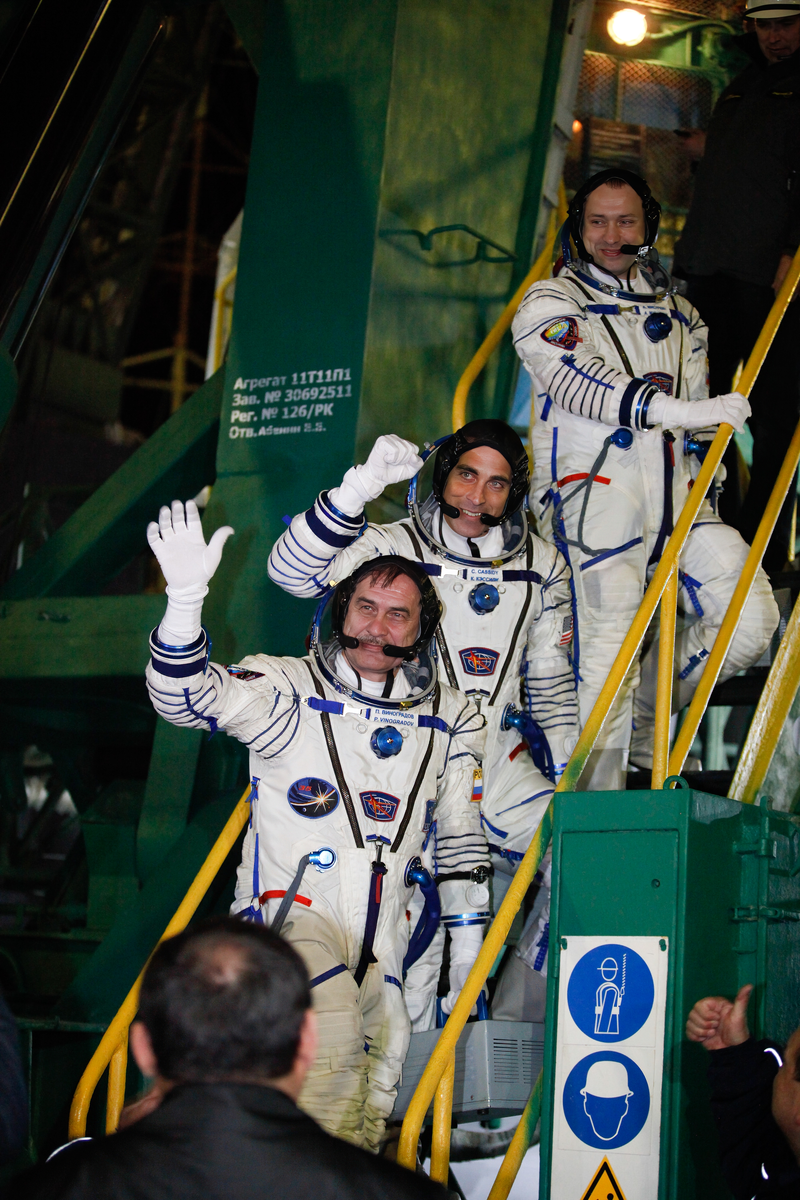
This is where spacesuits and life-support systems for cosmonauts have been designed and continue to be manufactured to this day. The "Orlan" spacesuit — a leading achievement of Soviet engineering thought — is still being refined and remains in service for ISS crews.
And the very first spacesuit of Yuri Alekseyevich Gagarin is preserved in the enterprise's museum. You stand next to it — and you understand where it all began.
What Russian words for our products and technologies have become global? If you stop to think — there are only a handful. "Sputnik." "Kalashnikov." "Soyuz." And, perhaps, that's it. We are an enormous country with colossal potential, but the products and technologies of ours that are sought-after worldwide and define the global market are painfully few.
That makes it all the more gratifying when recognition comes from where you least expect it. I recently read a novel by Andy Weir — the American author who wrote "The Martian." The novel is called "Project Hail Mary." The book became a global bestseller, and the film adaptation starring Ryan Gosling came out in theaters three weeks ago and has already grossed over 400 million dollars. Here's the thing: in the novel, the main character — an American astronaut — uses a next-generation "Orlan" spacesuit for his EVAs. And the author, through his hero, says it is the best spacesuit for working outside a spacecraft.
An American author. A global bestseller. A Hollywood adaptation. And at the center — a Russian spacesuit as the best in the world.
I'm often asked: is it scary to launch into space?
For a long time I just answered honestly: no, it isn't. And then I started to wonder — why? And I realized: because I had absolute, unconditional trust in the entire system. I trusted the engineers who made the key design decisions. The engineers who realized those decisions in metal. I trusted my crew's training and my own. I trusted the technology — including the emergency rescue system.
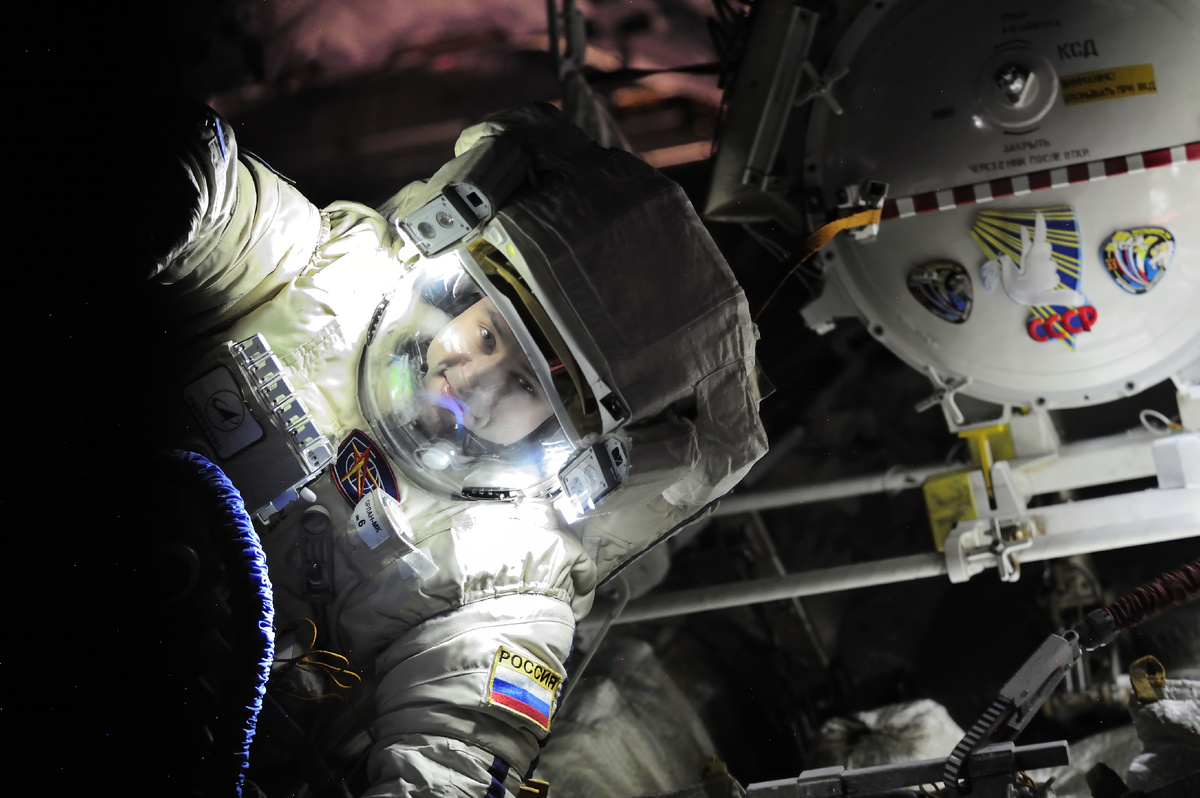
Does that matter? On the surface — well, you weren't scared, you trusted, good for you. But in fact it matters critically. Because at the moment of launch, when I had to monitor flight parameters, 100% of my resources went directly to my function. I didn't have to redirect a part of those resources to an inner struggle with emotions and worries. Which means that I, as an element of this large system, was as effective and as reliable as I could possibly be.
Today I often speak before corporate teams and explain that trust is the key foundation of any team (more on this in the lecture "Building a Space Crew"). But I notice that listeners usually map this onto small groups: their department, their project team. And they almost never project it onto a large collective — onto the entire organization, onto everyone who works toward a shared result. They don't even allow themselves to think that way.
And yet my trust at the moment of launch was not limited to the three crew members. It extended to thousands of people, most of whom I didn't even know personally. But I felt their contribution.
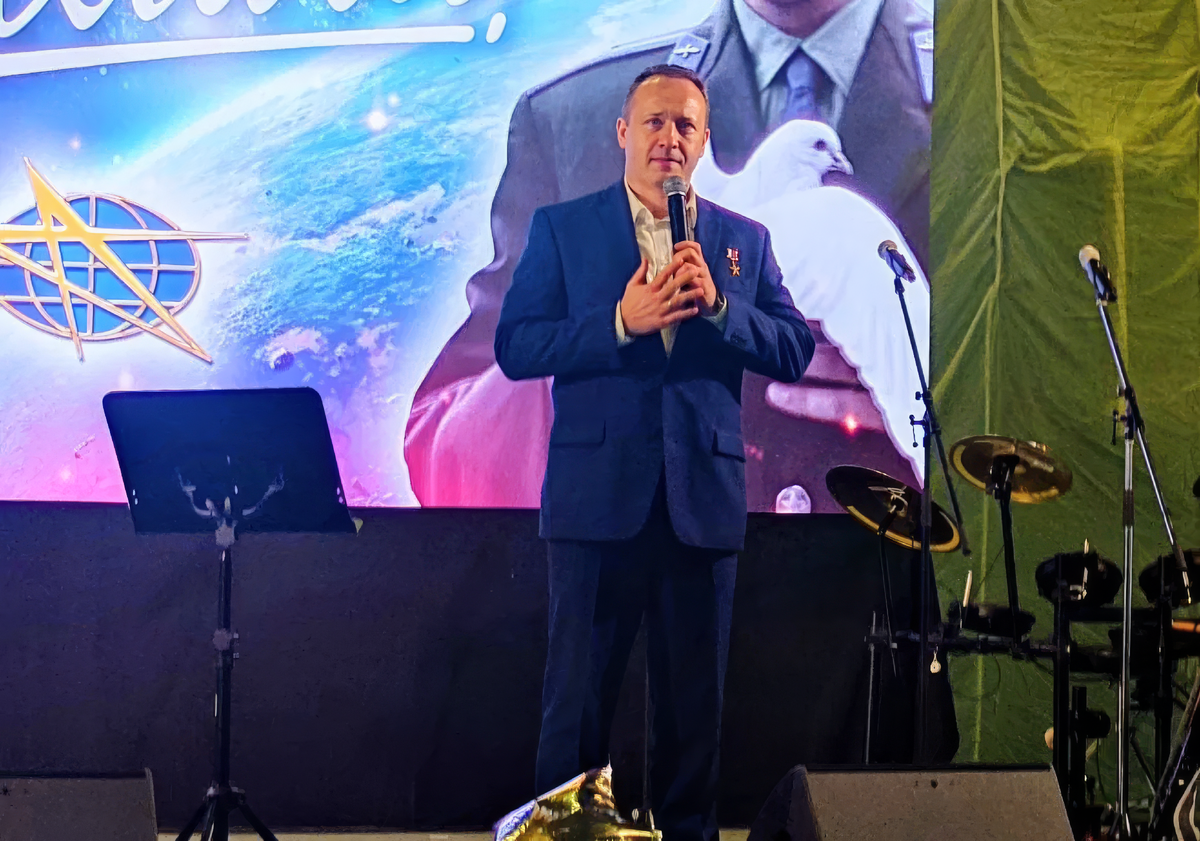
When I was going on my second flight, I had a very strong feeling: the three of us aren't alone. With us, invisibly, are all those people who put a piece of their soul and energy into us. Those who trained us. Who assembled the rocket and the spacecraft. Who built the equipment, the food, the medical supplies. Everyone who gives their strength, knowledge, and energy to the development of our space program. I felt their presence — and from it I drew deep gratitude and a heightened sense of responsibility. They had put everything into us. And we had to do it for them. For all of them.
That is exactly why it was so important for me yesterday to express my gratitude to the staff of "Zvezda" — both for the fact that they create technology recognized as the best in the world even by those who today are unlikely to think well of Russia, and for the fact that it was their contribution, their attitude to the work, that formed my absolute trust in the system at the moment of launch. I remember how we took measurements, cast the seat liner, fitted the spacesuit, tested it under pressure in the vacuum chamber.
Every time, I saw the attitude of the people — and it was precisely that attitude that became part of my confidence at launch. I'd like to take this opportunity to express gratitude — I'm sure not only on my own behalf, but on behalf of many cosmonauts — for their work, for their attitude toward our common cause.
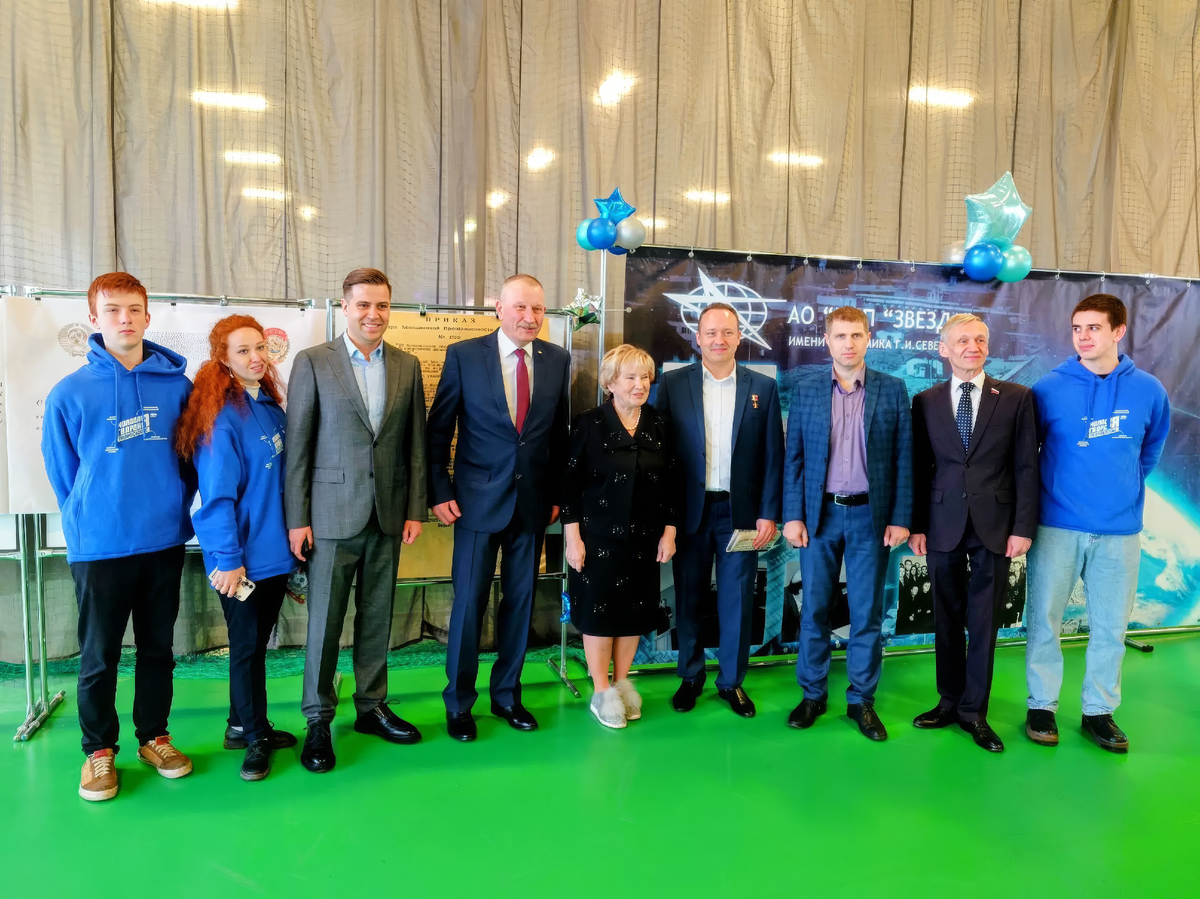
I want to thank Sergey Sergeyevich Pozdnyakov in particular — General Director and Chief Designer of JSC "NPP Zvezda" — for many years of work and a truly fatherly care, not only for his large team but also for all the cosmonauts who have flown and continue to fly thanks to the dedicated labor and achievements of the enterprise's staff.
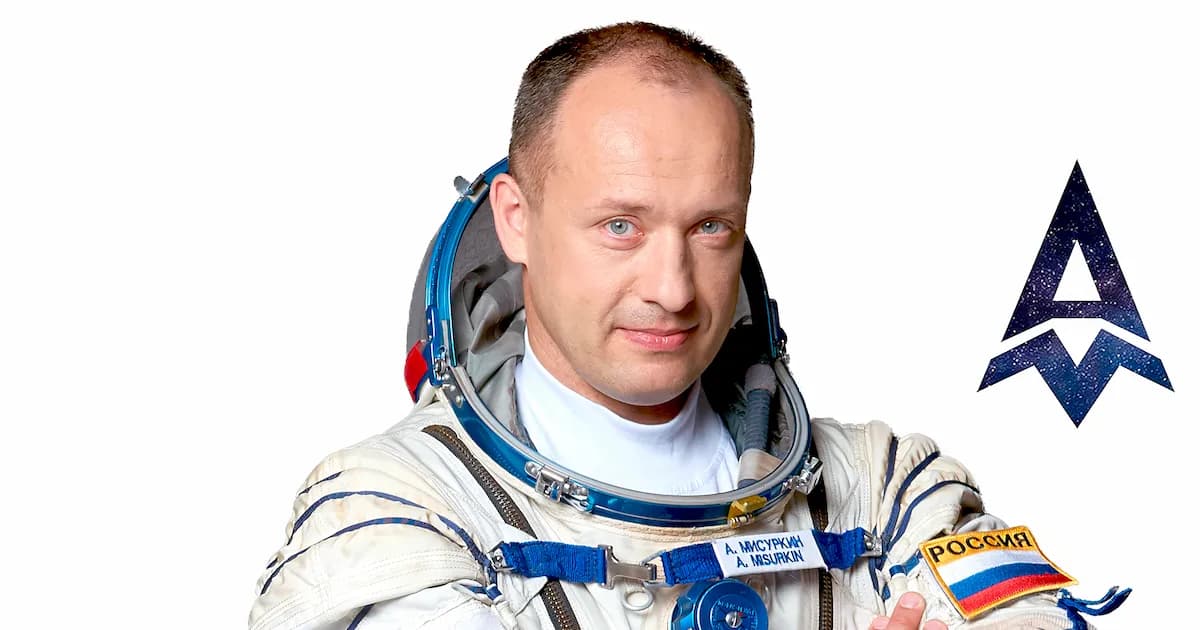
Hello! I'm cosmonaut Alexander Misurkin. My AI assistants Luke Vestin and "19-57" will answer your questions about space exploration and my experience.
To chat with Luke – simply type your question in the text field. If you're looking for space-related information from online sources, type "19-57, find information about ..." (it may take a moment – our robot is very thorough when searching the web).
Enjoy the conversation!