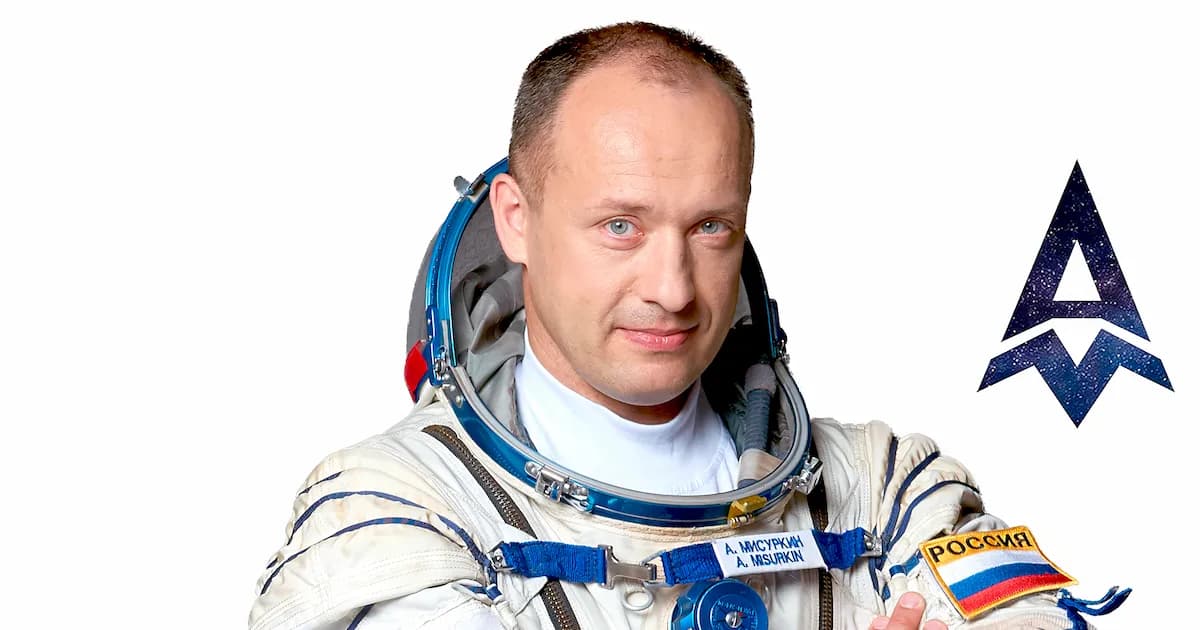
Hello! I'm cosmonaut Alexander Misurkin. My AI assistants Luke Vestin and "19-57" will answer your questions about space exploration and my experience.
To chat with Luke – simply type your question in the text field. If you're looking for space-related information from online sources, type "19-57, find information about ..." (it may take a moment – our robot is very thorough when searching the web).
Enjoy the conversation!
Motivational Speaker
A decision at 14, a 21-year path—and one of the youngest professionals on the ISS by 2013. Three spaceflights; commander of ISS Expedition 54 and of the 2021 visiting mission to the ISS. Russian national record for spacewalk duration—8 hours 12 minutes.
An extraordinary result cannot be assigned to anyone: a goal beyond the assignment is one a person sets for themselves. Such a result cannot be demanded of a team—a team can only be led to it. That is how a goal set in school led to his first launch, and how the crew commander’s work on his third flight, the first to the ISS on a fully commercial basis, led the client to become interested in another flight—with Roscosmos, and with the same commander.
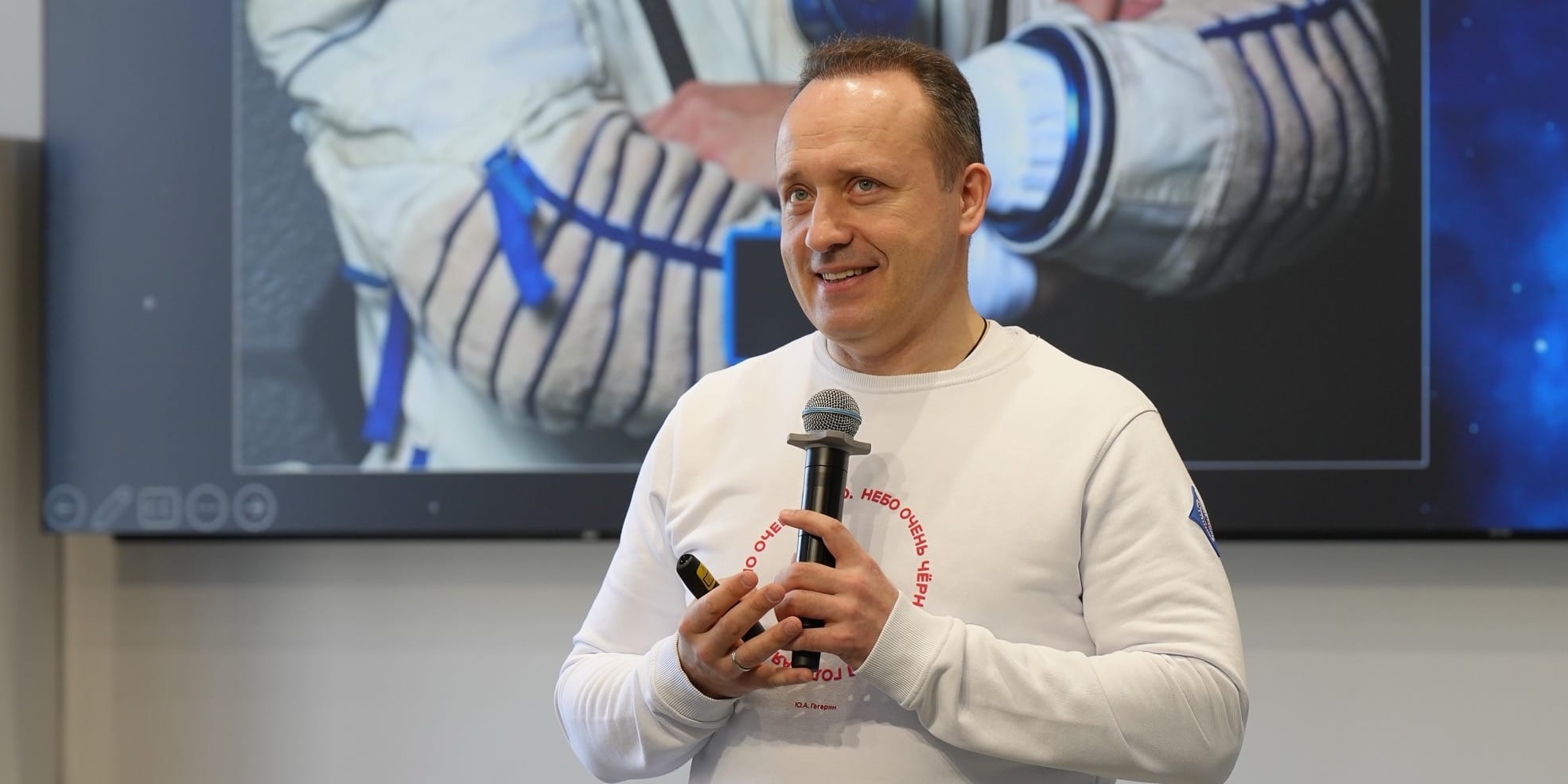
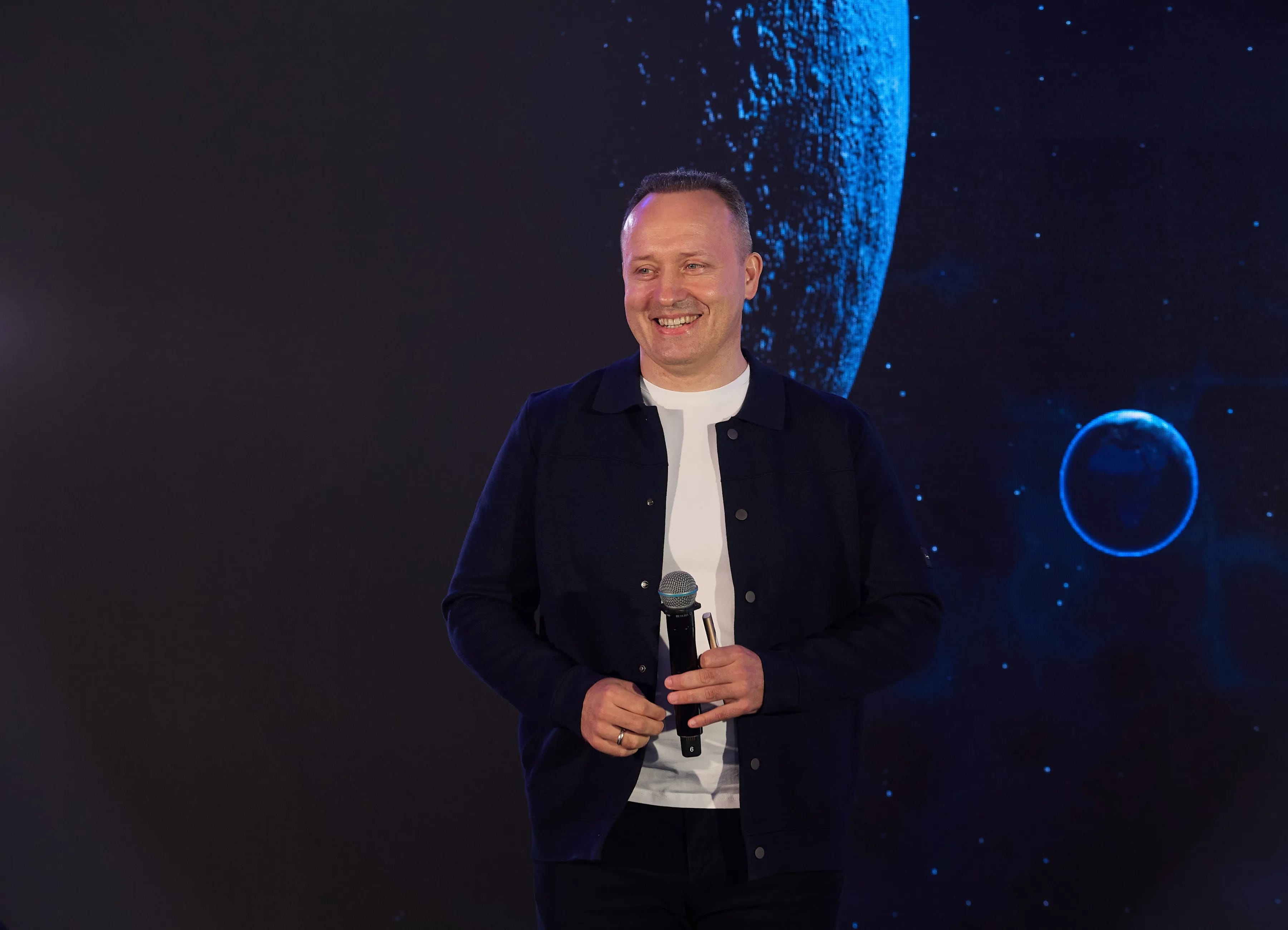
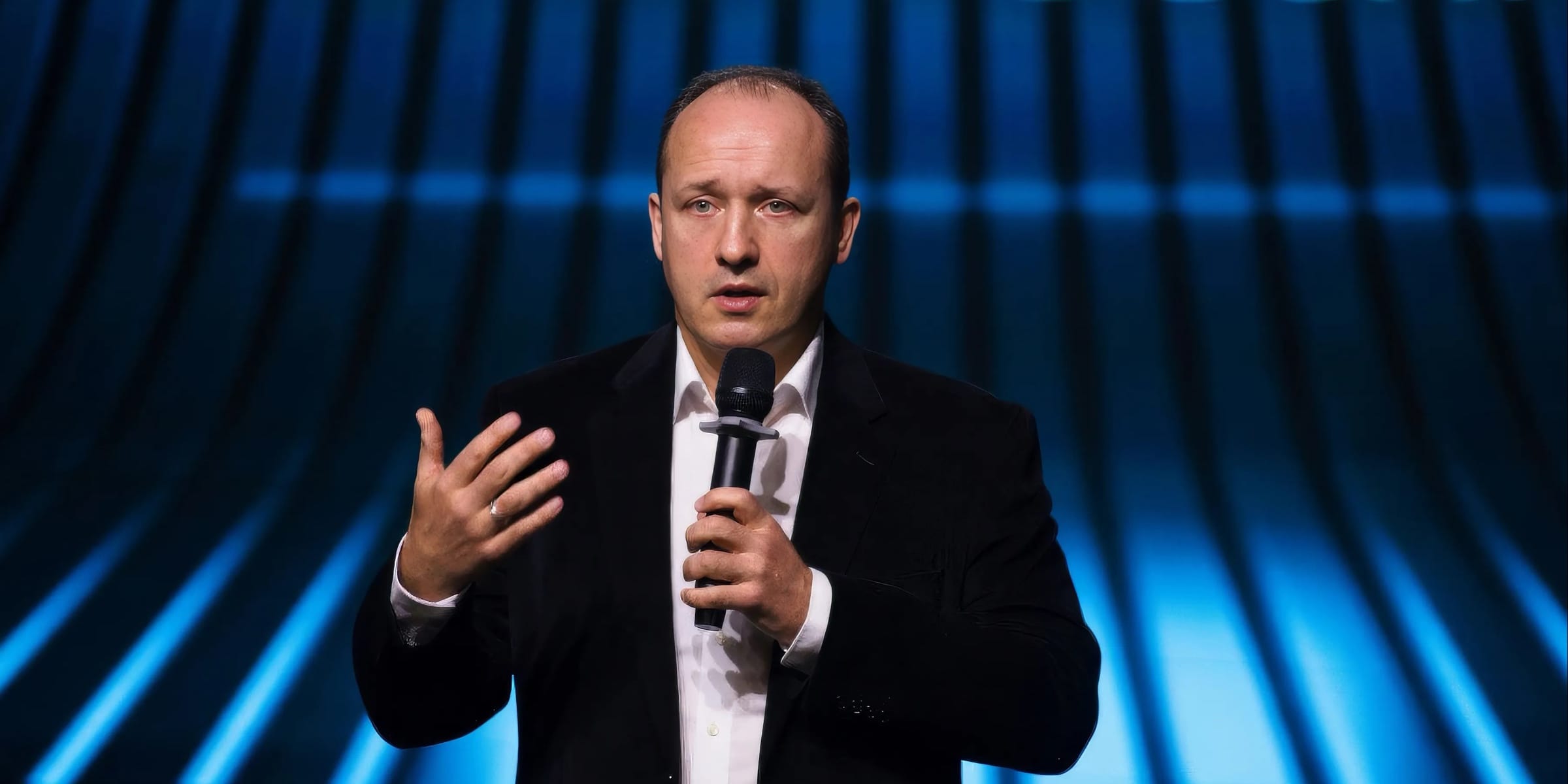
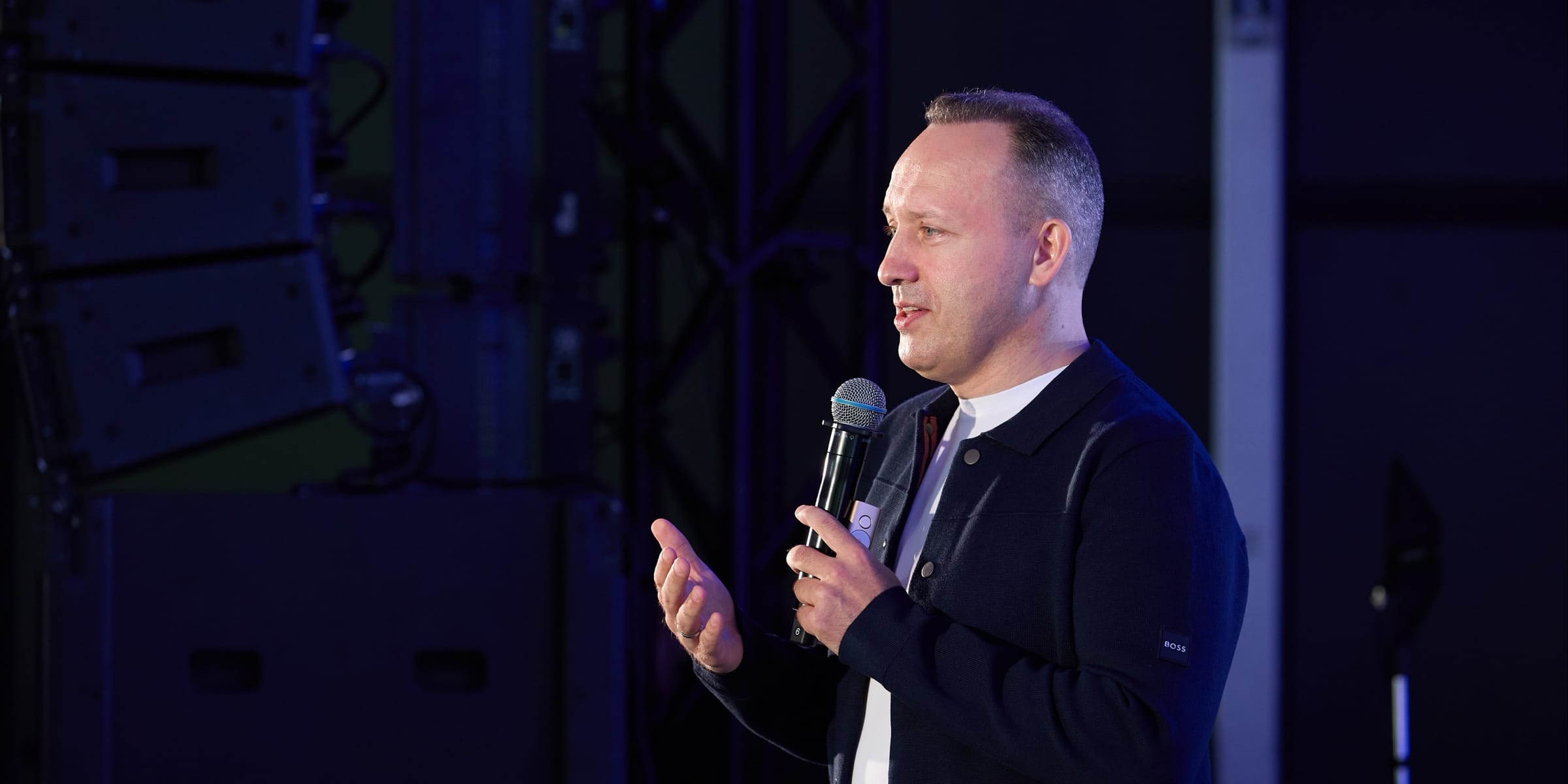
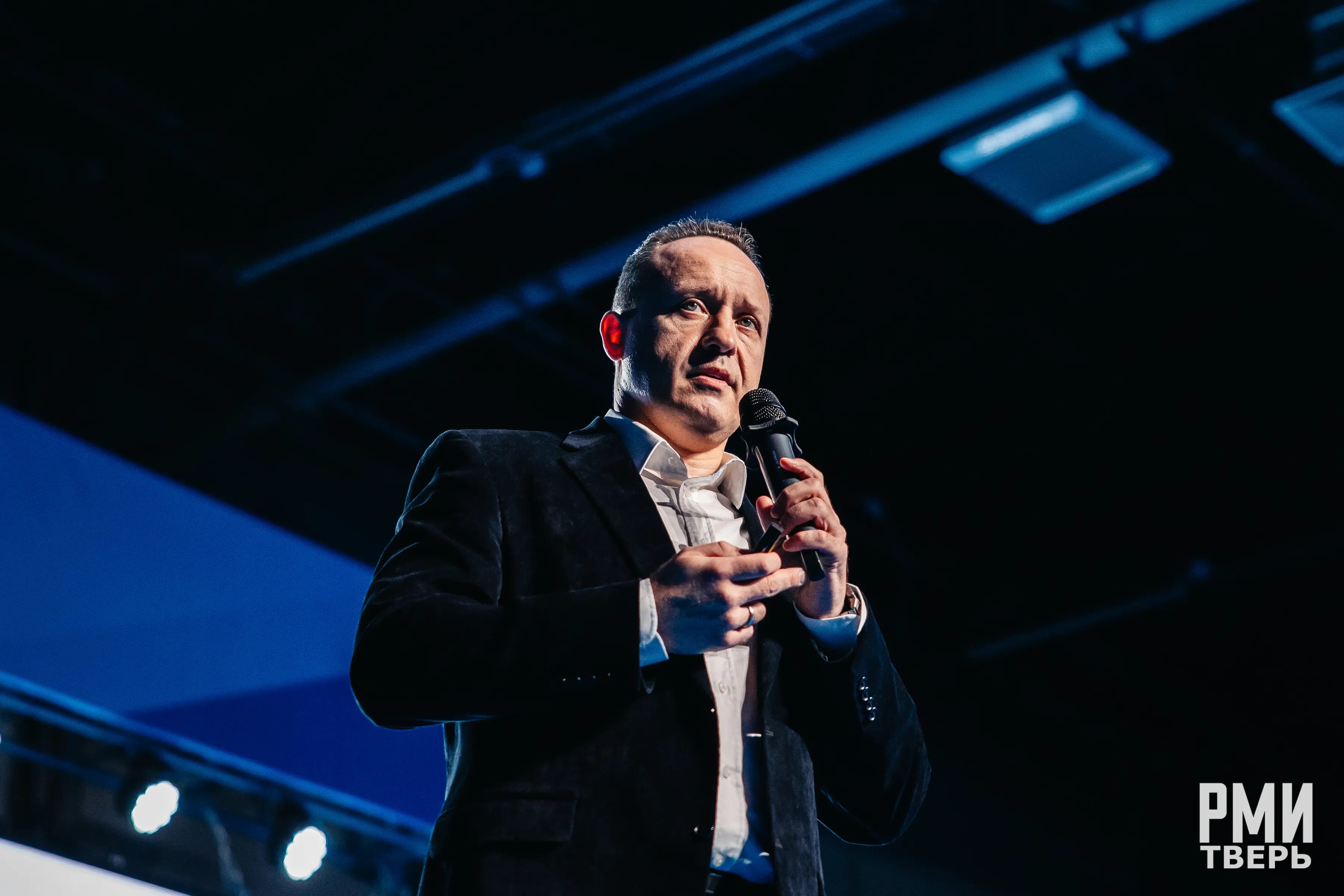
The question people ask me most about space—“So, what’s it like up there?”—led me to an understanding. Up there it is all the same as here: relationships between people, and a relationship with the environment around you. The difference is that when something does not go to plan, you have far fewer degrees of freedom: you cannot opt out of the situation, open a door and step out. In those conditions the laws of interaction—psychological, not physical—show up far more clearly. And the path to my first launch cured me of the word “luck”: it implies a result without effort, whereas an extraordinary result is the product of extraordinary effort. My programs are about how to set a goal beyond the assignment and carry it through to a result—on your own and together with a team. After my talks I often hear, “That’s exactly how it is with us”—and each time I am more convinced: Proven in Space, Works on Earth.
Speaking Programs
Signature programs for conferences, forums and corporate events.
Space Ambitions. We Are Capable of More!
How do you weigh a person where there is no weight? How, before returning to Earth, can you tell whether leg veins weakened by months of weightlessness will be able to pump blood under Earth’s gravity? Space medicine found answers where the laws of physics seemed to leave none. Working with these technologies in orbit, I often asked myself why some people see a solution where others see an obstacle. This lecture is about how people set a goal beyond the assignment—as on my third flight—and make it a shared one: when everyone on the team takes it as their own, each is ready to move the others at least one step closer to it.Becoming a Space Crew
On my first flight, Mission Control sent us a procedure: pump water through two hoses, one of them about forty centimeters long. When we asked why, the answer was, “Do it as written”—and that is exactly how a reserve of trust gets spent. This lecture is for teams where strong specialists work separately, each in a silo of their own: what trust in a crew is built from, how to set a task through the “why,” how to admit mistakes and argue without humiliating each other. Eight rules by which a group that runs on “do as you are told” becomes a team—the kind that goes through hard times without falling apart.Crew Commander: From Appointment to Recognition
I was made commander by order; the crew’s trust I had to earn. During an exam in Houston an argument with the flight engineer reached a dead end, time was running out, and I made the call myself. It was the right one, and the flight engineer clapped me on the back: “It’s great that we have a commander like you.” As long as everything goes to plan, a manager is enough. In a hard moment a team will follow only a leader, and you have to become one in advance. This lecture is about how an appointed commander becomes a recognized leader—for managers, future managers, and anyone who works in a team and wants to understand their own.Burn Bright Without Burning Out! Stress Management in Space
Two weeks into my first flight, with five and a half months still ahead, I caught the smell of canned food and realized I did not want to eat it anymore. Chronic stress starts with small things that quietly drain your energy, and dealing with it has two parts: removing what takes energy away and finding what gives it back. For me that was always exercise, and now contemplation as well—“look for what is beautiful.” This lecture is for people who work under constant pressure: how to prepare for acute stress so that it mobilizes you, and how to structure a day so that chronic stress does not turn into burnout.Off Script: A Cosmonaut's Experience in the Age of AI
Pilot-cosmonaut Vladimir Lyakhov left behind a saying—“Nothing will go the way you planned”—and every flight confirms it. Once, already outside the station, we found red protective caps still on the equipment we had brought out. They should have come off before the hatch; out there they cannot be removed at all. This lecture is about what to do when the script has parted ways with reality, or when there is no script at all: why in a crisis we see a situation as worse than it is, which simple automatic responses have to fire first, and how a team helps. An analogy with artificial intelligence shows how someone who knows the fundamentals but has no ready-made algorithm makes decisions.Cosmonauts Are Made, Not Born—And That Path Is Open to Many!
While I was still a cosmonaut candidate, Sargylana Zakharova, a psychologist at the Cosmonaut Training Center, told me: “Remember, Alexander, you are guaranteed to be more successful in life if you move along your line of strength.” I walked my own path from one lesson at school to the cosmonaut corps on instinct, and learned the name of the principle only afterward. This lecture is for people choosing a path or changing one: how to walk it deliberately—the three hardiness attitudes, your line of strength, and the three qualities without which no one is sent into space and which you need in any line of work.Think Positive: Space Lessons for Modern Life
On my second flight, zipping up my sleeping bag in my crew quarters, I suddenly remembered a shot from “Gravity”—the oncoming satellite debris sweeping away everything in its path—and realized it could happen any second. Two questions helped: Can I influence this? Do I know exactly what to do if it happens? If you know, sleep soundly; if you do not, the manual is right there on the wall—go read it. This lecture treats positive thinking as a skill: how to choose where your attention goes, how to separate what is in your power from everything else, and which daily practices keep that skill in shape.Time of Singularity. A View from Orbit on the Future of Humanity
On a bright moonlit night, from orbit, you can see a thin greenish band tracing the outline of the atmosphere. That band is the entire shell—beyond it there is no life. From that altitude a conversation about technology sounds different. This lecture is about the threshold civilization has reached: artificial intelligence, biotechnology, quantum computing, and whether we will gain in time the wisdom to use what we have already created. For the people who create technology and decide what it will be: which qualities set apart the people who change the world, and why a future artificial intelligence will copy the behavior of its creators.Rules of Space – Rules of Success
After my first flight I asked myself why I was so lucky: six years of training against an average of nine, one of the youngest professionals on the station, three spacewalks on that first flight alone. The analysis showed there is no such thing as luck. There are principles, and I had been following them without being aware of them. This lecture lays those rules out in order—goal-setting, your line of strength, working at full capacity, risk and responsibility, managing your own energy—for anyone facing a goal that today looks unreachable.Risk Management. Managing Risks on a Spacewalk
Before my fourth spacewalk I asked the specialists so many small questions that after the flight one of them said, “He must have been really worried.” And out on the spacewalk an ordinary clip—a spring-gate hook I had turned over in my hands three hundred times—jammed. You sit there in the airlock and understand: out there nothing is a small thing. There are two of you outside, the whole station spent two weeks preparing for the spacewalk, and there will be no second attempt. This lecture is about decisions where the price of a mistake is as high as it gets: how safety is built before an operation begins, by what criteria risk is accepted, and why a team is stronger than any protective system.MINI-COURSE "Houston, We Have a Solution: Leadership and Teams in Challenging Conditions"
Half a day: two lectures—“Crew Commander: From Appointment to Recognition” and “Becoming a Space Crew”—and a workshop. The lectures give an outside frame of reference: how leadership and teams work where the price of a mistake is a life. In the workshop participants apply that frame to their own situation. Through discussion they define what they measure their work by, what they treat as the norm, what the cultural code of their team is, and what larger meaning unites—or could unite—what they do. For companies with several layers of management between the chief executive and the person doing the work: each has subordinates of their own and a boss of their own, and you want to see that group become a close-knit team.INTENSIVE "Proven in Space, Works on Earth"
A full day: four lectures and a workshop. In the morning, “Space Ambitions” on the goal beyond the assignment and “Burn Bright Without Burning Out” on stress and burnout; after lunch, the mini-course “Houston, We Have a Solution”: leader, team, workshop. The lineup adapts to the client’s choice: any of the lectures can be swapped for another of my programs, and every block ends with Q&A. For companies that want to see, in a single day, the extraordinary result of a person and a team from four angles: goal, energy, leader, team.Reviews and Clients
Testimonials from conference, forum and corporate event organizers.
I have been in the events business for 20 years and have invited every kind of speaker and performer to events, but Alexander is unique! He stands apart from all of them. He won us over at the preliminary online meeting already, and in person — what amazing emotions! Such a calm, articulate speaker; the way he guides you, subtly but unerringly, to the key messages; the way he talks about his unique life experience, so engagingly and without a trace of bravado... We are simply still on our feet applauding. We kept him for a very long time; we just could not let him go... Honestly, everyone is charmed and in love. Boys and girls alike — everyone! Thank you so much!
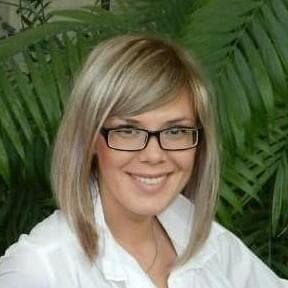
Irina Perevozkina
Head of Events, VOLGA-MEDIA advertising agency
On behalf of the Self-Regulatory Organization "Microfinancing and Development" (SRO "MiR"), we express our sincere gratitude for your participation in the spring MFO RUSSIA FORUM. Your involvement made it possible to shape a topical agenda for the Forum and made the event a flagship for the microfinance market. We greatly appreciate your professional competence in the issues put forward for discussion at the Forum. We look forward to seeing you at our future events.

SRO "MiR"
Union of Microfinance Organizations "Microfinancing and Development"
On behalf of Batyrev Consulting Group, we thank you for your vivid and content-rich presentation at the Team No. 1 forum, held in Moscow on December 6, 2024. We greatly value our collaboration and the openness and generosity with which you share your experience and knowledge with participants.

Batyrev Consulting Group
Team No. 1 forum, Moscow
Samolet Plus thanks Alexander for an excellent presentation to a large audience, both in person and online. It was important for us to find a first-class speaker who would highlight the concept of the Forum Plus event, "The Time of Firsts", which was meant to show the rapid development of Samolet Plus and its growth plans, cosmic in both scale and speed. Who better than a man who has conquered space three times?

Samolet Plus
Forum Plus
I would like to thank Alexander for today's lecture to our colleagues! It is wonderful that the material was conveyed in such an accessible way, through Alexander's experience and examples from his life! Once again, a huge thank you!

OMK
United Metallurgical Company
I would like to thank Alexander for his talk! I am always glad of the opportunity to invite him to speak with our company's executives and discuss the unique experience of teamwork and leadership through the metaphor of space and everything associated with it. This metaphor seems to help, more than any other, to rethink the experience one already has and is still studying in building relationships within a team, resolving conflicts, making difficult and sometimes momentous decisions, allocating responsibility, and searching for meaning in one's personal and professional life. His positive delivery, openness to dialogue, and excellent sense of humor invariably make Alexander's talks a highlight of the program. I would also like to share comments from the participants themselves, who always greatly value the chance to talk with someone from such a unique profession: • Alexander made an indelible impression; so much was said that was important and needed! • A captivating speaker! Incredibly interesting and productive, an excellent take on teamwork • Out of this world! A positive, upbeat and practical account of how a cosmonaut's profession leads to the very ideas and principles found in leadership books.

Anna Tkachik
Project Director, SberUniversity
I have been in the events business for 20 years and have invited every kind of speaker and performer to events, but Alexander is unique! He stands apart from all of them. He won us over at the preliminary online meeting already, and in person — what amazing emotions! Such a calm, articulate speaker; the way he guides you, subtly but unerringly, to the key messages; the way he talks about his unique life experience, so engagingly and without a trace of bravado... We are simply still on our feet applauding. We kept him for a very long time; we just could not let him go... Honestly, everyone is charmed and in love. Boys and girls alike — everyone! Thank you so much!
Irina Perevozkina
Head of Events, VOLGA-MEDIA advertising agency
On behalf of the Self-Regulatory Organization "Microfinancing and Development" (SRO "MiR"), we express our sincere gratitude for your participation in the spring MFO RUSSIA FORUM. Your involvement made it possible to shape a topical agenda for the Forum and made the event a flagship for the microfinance market. We greatly appreciate your professional competence in the issues put forward for discussion at the Forum. We look forward to seeing you at our future events.
SRO "MiR"
Union of Microfinance Organizations "Microfinancing and Development"
On behalf of Batyrev Consulting Group, we thank you for your vivid and content-rich presentation at the Team No. 1 forum, held in Moscow on December 6, 2024. We greatly value our collaboration and the openness and generosity with which you share your experience and knowledge with participants.
Batyrev Consulting Group
Team No. 1 forum, Moscow
Samolet Plus thanks Alexander for an excellent presentation to a large audience, both in person and online. It was important for us to find a first-class speaker who would highlight the concept of the Forum Plus event, "The Time of Firsts", which was meant to show the rapid development of Samolet Plus and its growth plans, cosmic in both scale and speed. Who better than a man who has conquered space three times?
Samolet Plus
Forum Plus
I would like to thank Alexander for today's lecture to our colleagues! It is wonderful that the material was conveyed in such an accessible way, through Alexander's experience and examples from his life! Once again, a huge thank you!
OMK
United Metallurgical Company
I would like to thank Alexander for his talk! I am always glad of the opportunity to invite him to speak with our company's executives and discuss the unique experience of teamwork and leadership through the metaphor of space and everything associated with it. This metaphor seems to help, more than any other, to rethink the experience one already has and is still studying in building relationships within a team, resolving conflicts, making difficult and sometimes momentous decisions, allocating responsibility, and searching for meaning in one's personal and professional life. His positive delivery, openness to dialogue, and excellent sense of humor invariably make Alexander's talks a highlight of the program. I would also like to share comments from the participants themselves, who always greatly value the chance to talk with someone from such a unique profession: • Alexander made an indelible impression; so much was said that was important and needed! • A captivating speaker! Incredibly interesting and productive, an excellent take on teamwork • Out of this world! A positive, upbeat and practical account of how a cosmonaut's profession leads to the very ideas and principles found in leadership books.
Anna Tkachik
Project Director, SberUniversity

Five keynotes, 595 survey responses
Feedback gathered by event organizers following keynotes at SberUniversity between December 2024 and April 2026. Every session is reported without omission, including the lowest rated.
Average presentation rating across all 595 responses
High scores: 9 or 10 points
Top score: 10 points
Keynotes from December 2024 to April 2026
Score distribution
Participant feedback
This speech will definitely enter my top 3 public presentations. Huge thanks to Alexander! The energy, content, clear insights, and genuinely passionate attitude toward his craft were remarkable. Even though it concluded an intense first day, not a single second of engagement was lost
Alexander is a superb storyteller. He makes complex nuances of team alignment and trust under extreme pressure clear, vivid, and deeply intuitive
A uniquely compelling perspective on team dynamics from someone for whom teamwork is far beyond reaching business targets — it is literally a matter of survival
I walked away with three major strategic insights: practical, profound, and memorable. I took note of recommended films and factual references to study further. Truly grateful for an inspiring talk!
Ratings from other corporate clients
Organizations apply distinct evaluation methodologies, with metrics presented in their original scales
of attendees awarded the maximum rating

keynote rating, 55 senior executives

overall score, executive leadership (~60 people)

rated the presentation as the most impactful session of the event

overall participant satisfaction score

of attendees requested an invitation for future sessions

Thank You for Your Trust
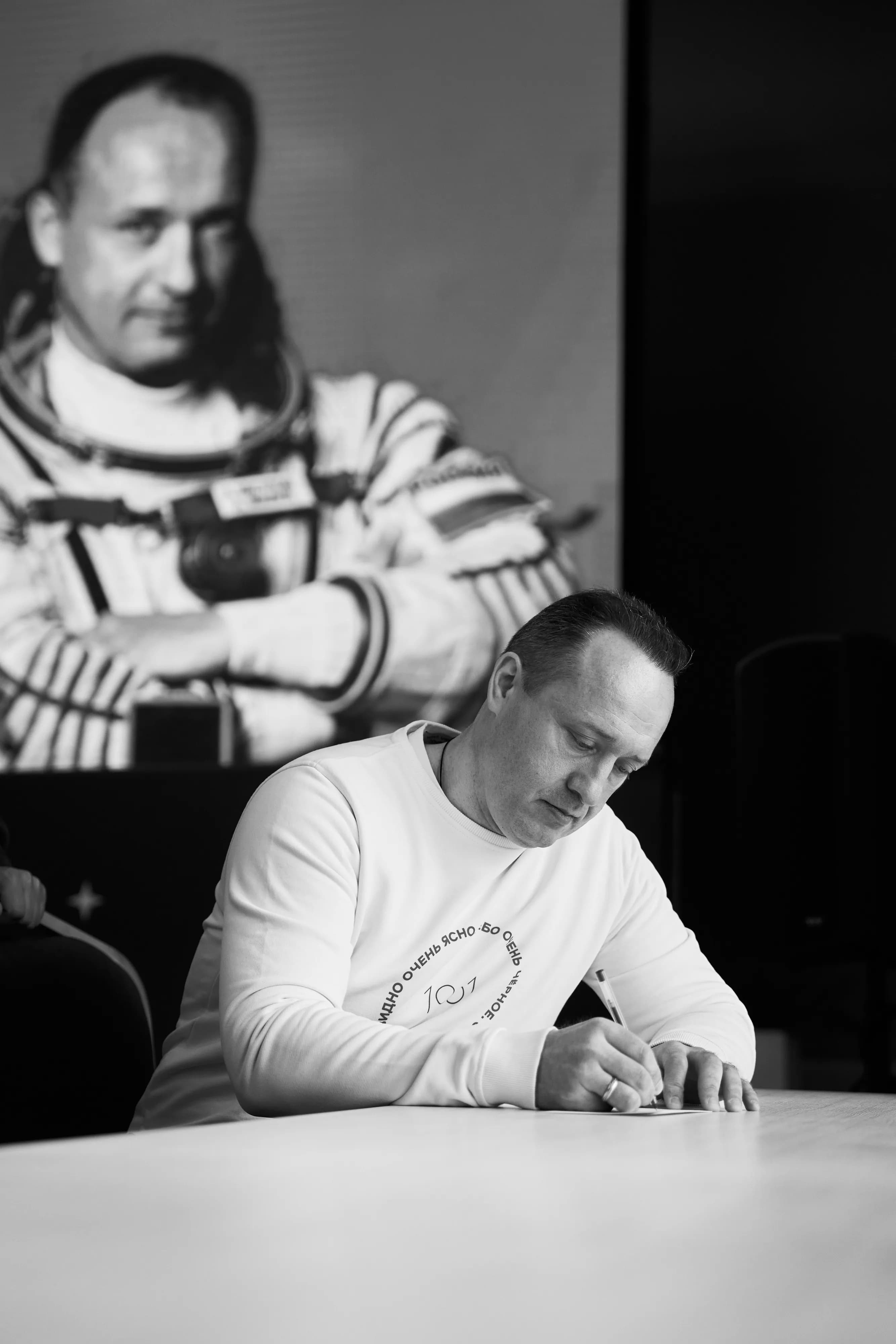
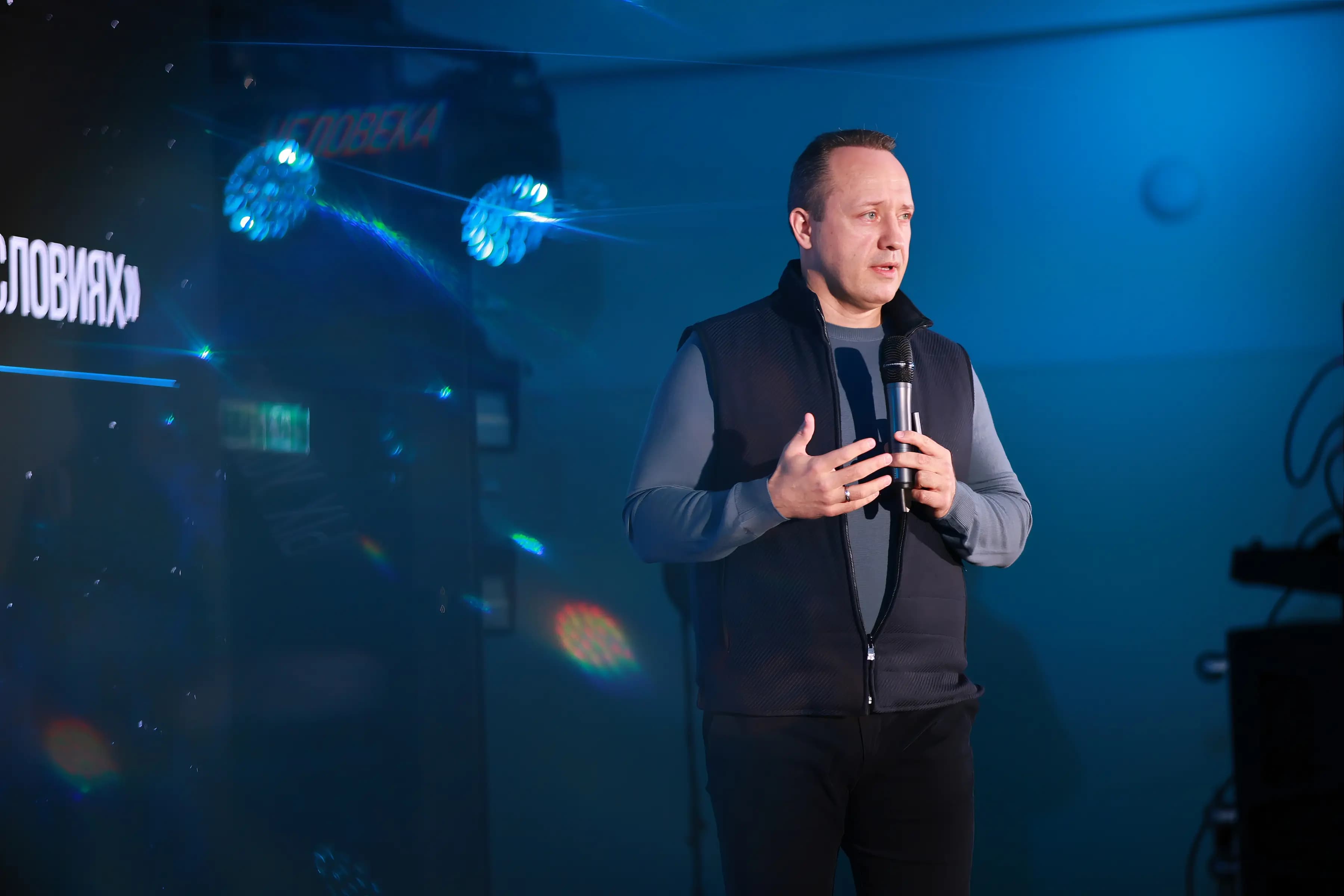
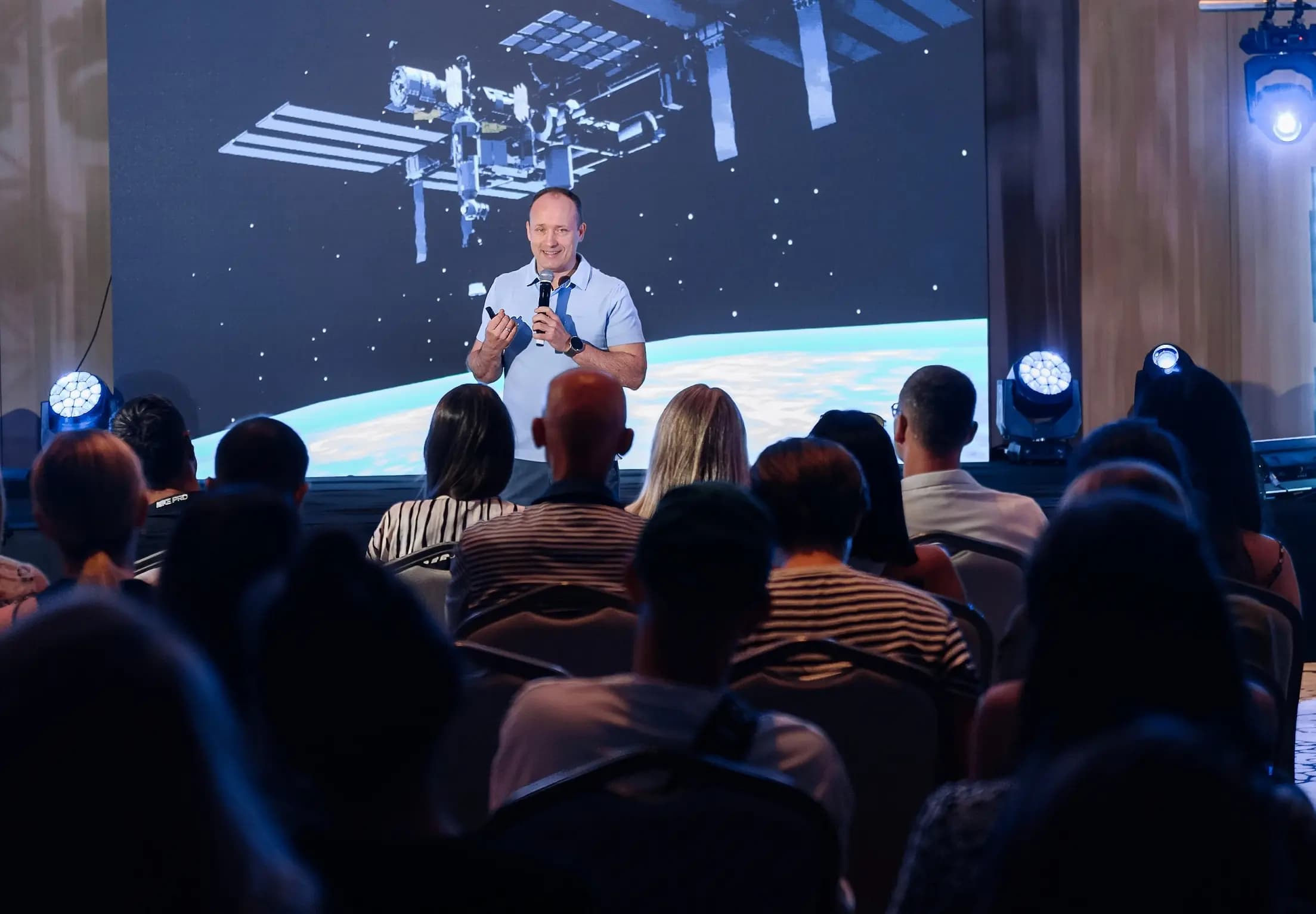
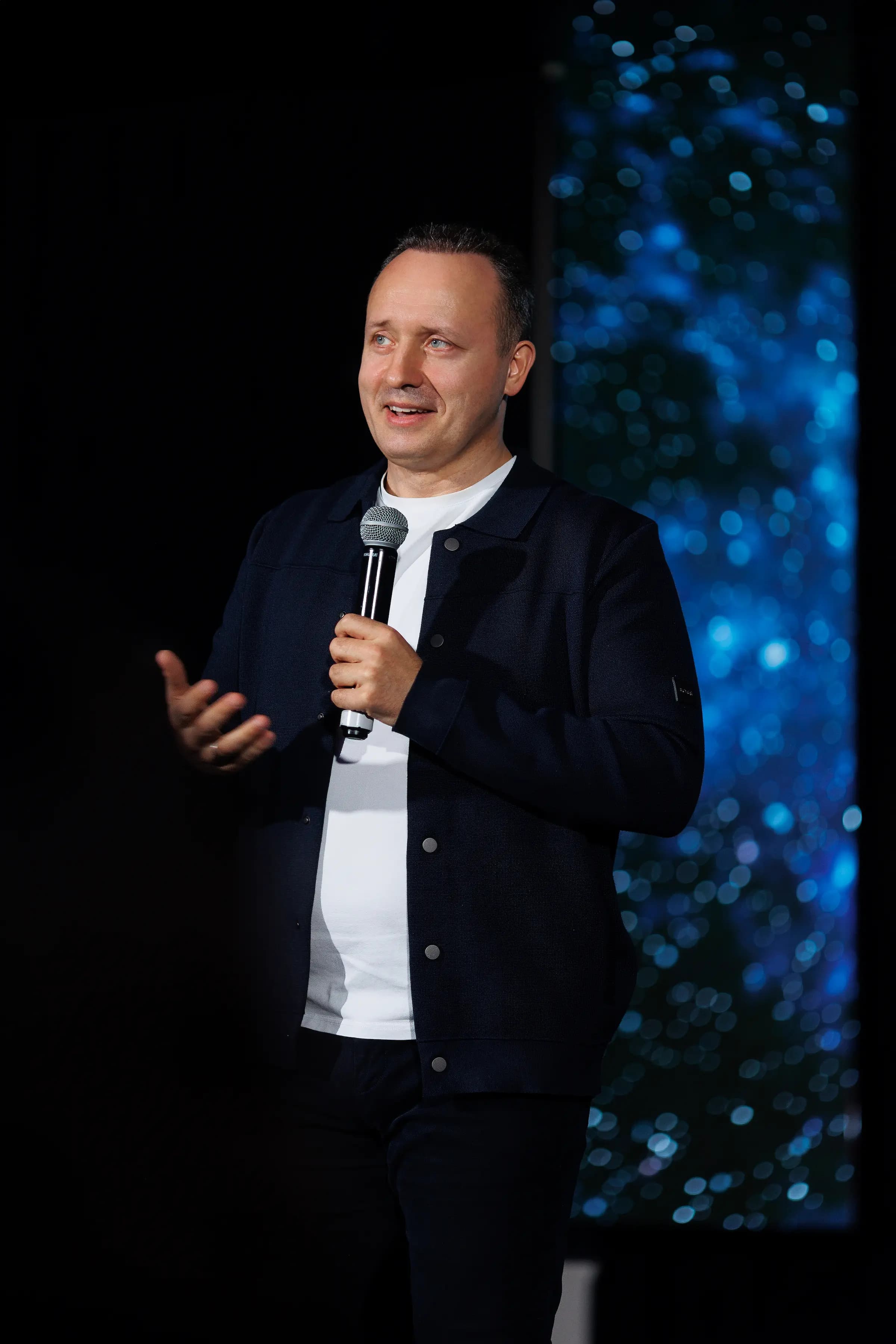
Over 500 speaking engagements in 12 years — conferences, forums, strategy sessions and corporate events. Clients include Sberbank, VTB, Rosatom, MTS, Gazprom Neft, SIBUR and Nornickel.









































Portfolio
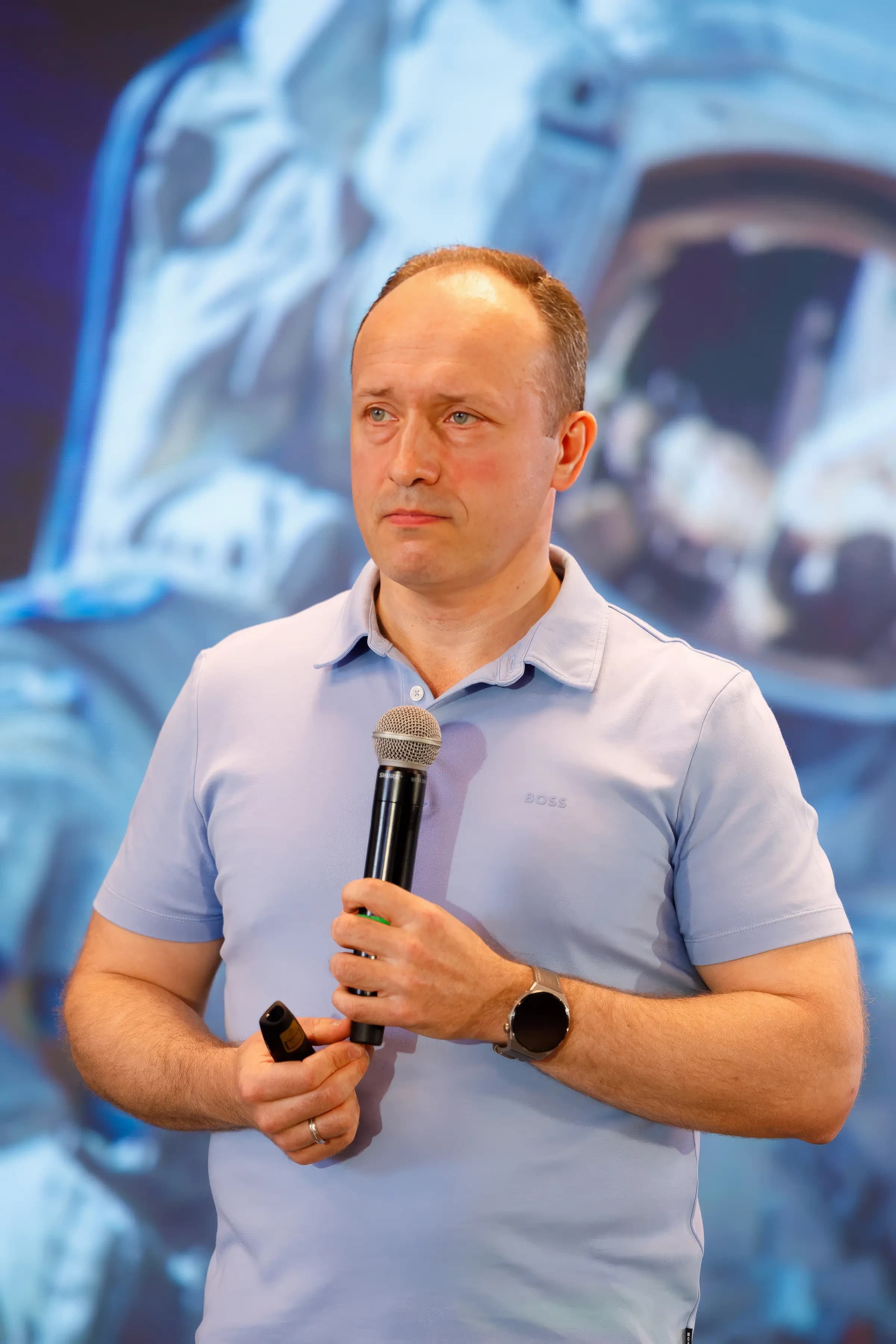
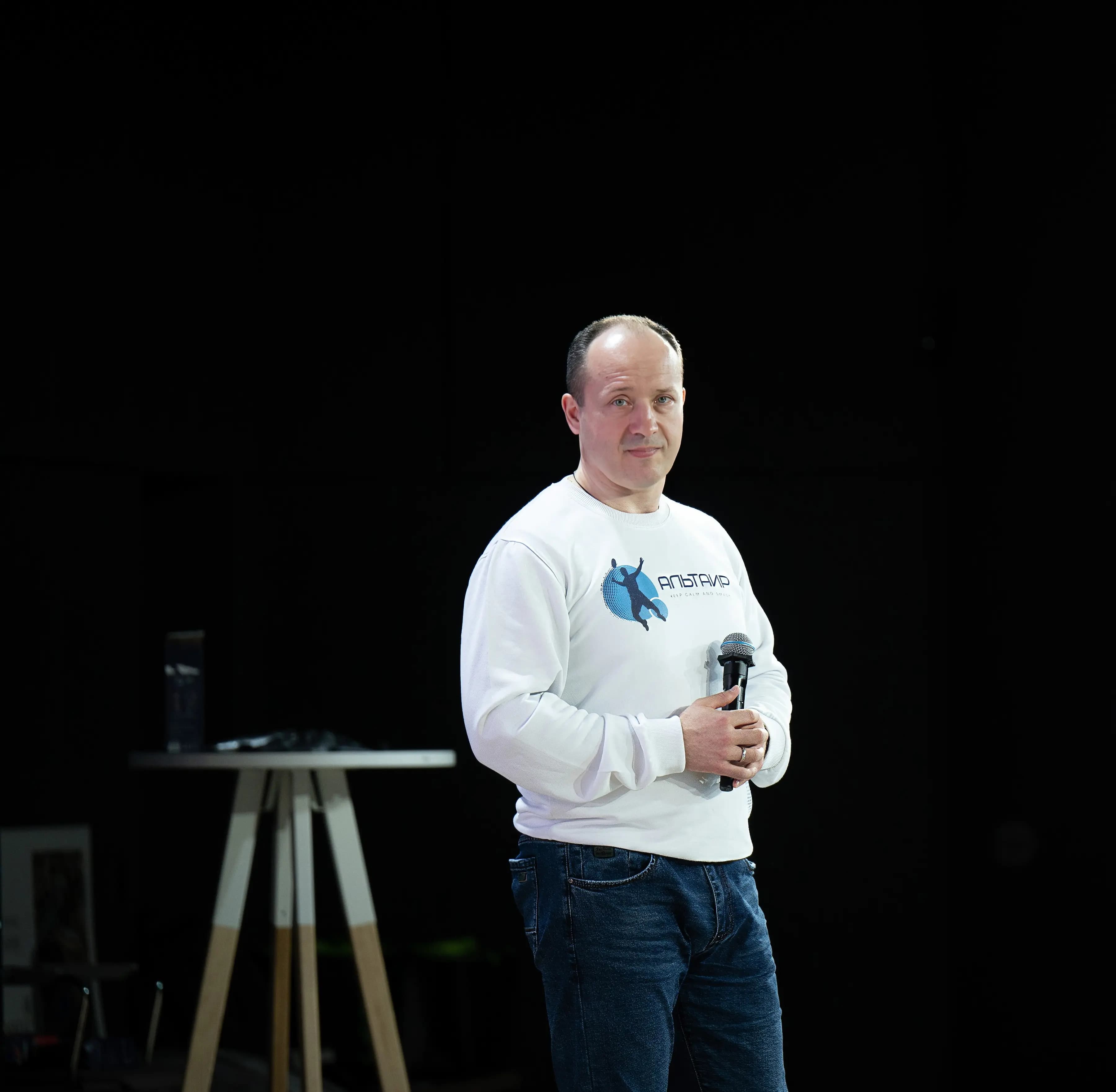
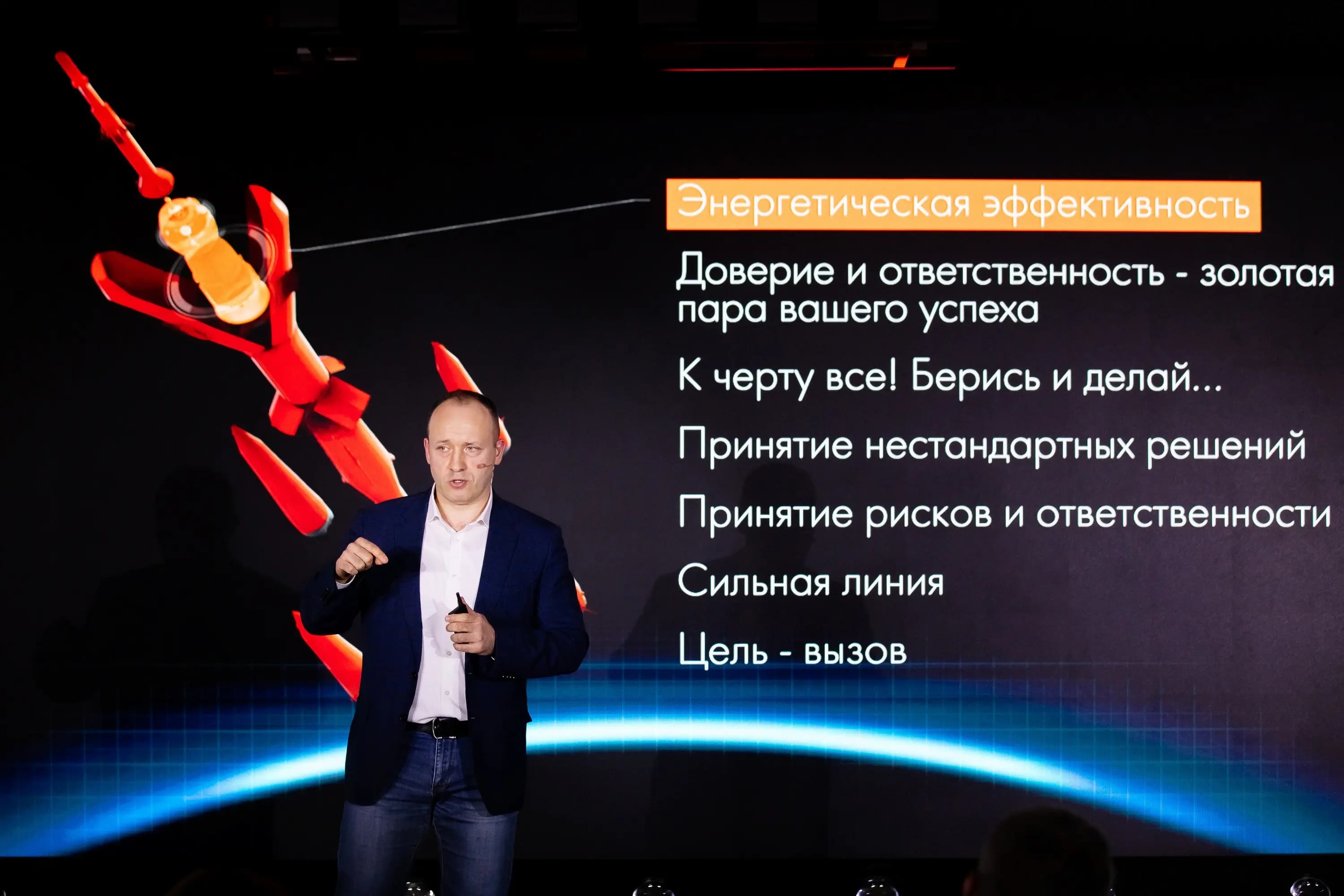
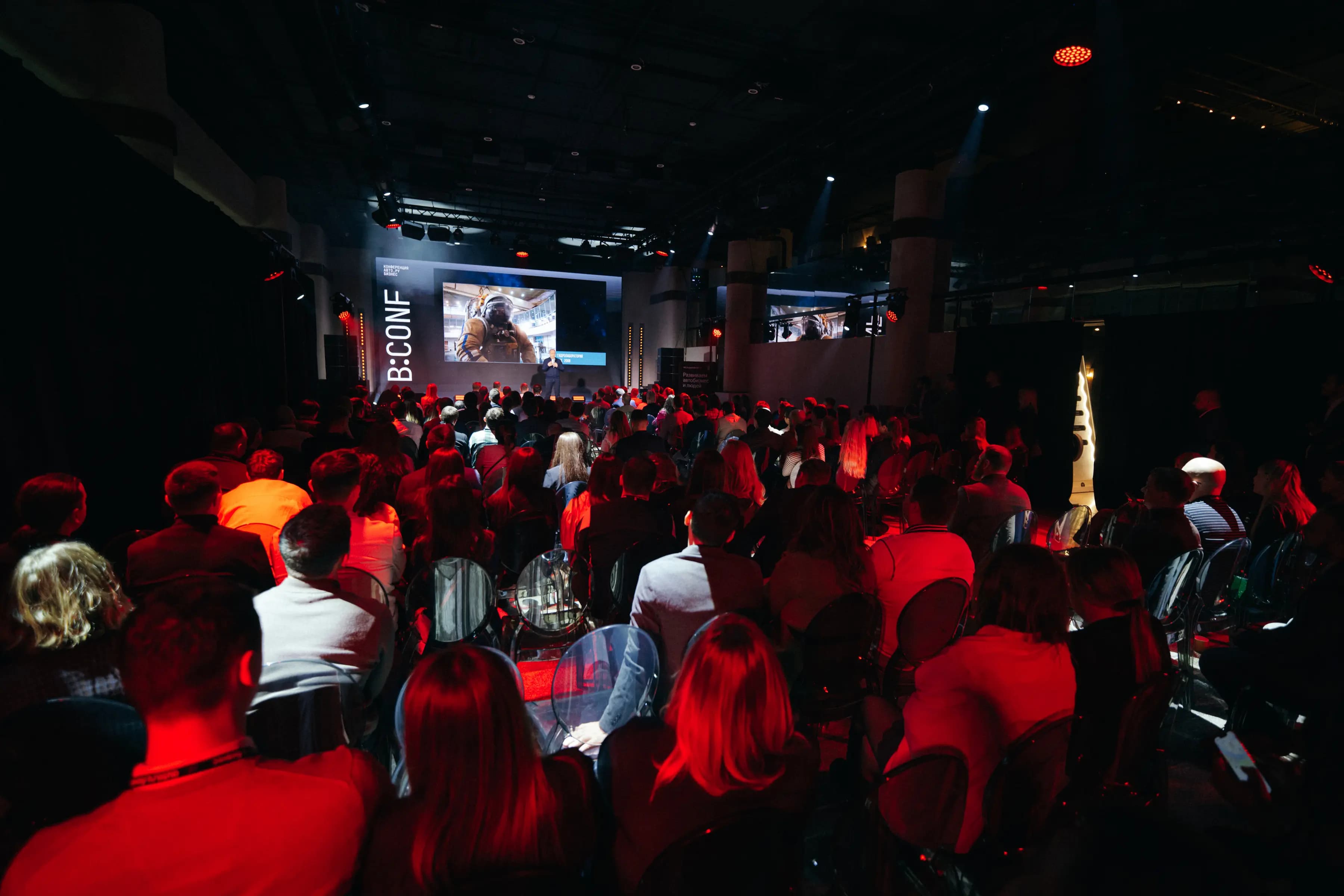
Send Invitation
Invite a cosmonaut to your conference, forum, strategy session or corporate event.
Tell us about your event — we reply within an hour on weekdays, 9:00–19:00 Moscow time.
or contact the manager via messengers: