Top Space Movies: Personal Rankings. From Classics to the Present Day
16.04.2025As part of the “Space Calling” project, we continue a series of publications about space and everything associated with it. Today, I will tell you about movies that help you better understand space, inspire you to study it, and give you unforgettable impressions.
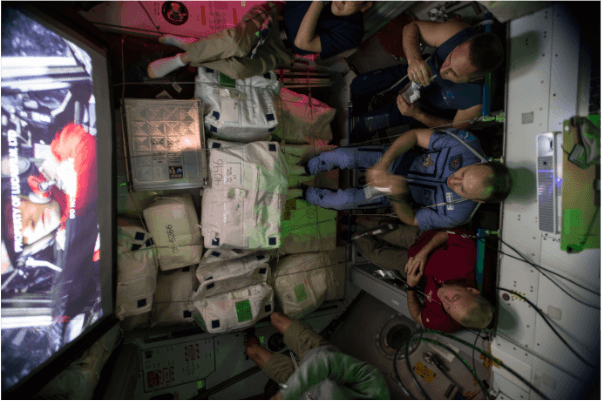
Why Space Movies Are So Popular
Space offers endless possibilities for creative imagination and visual effects. A good space movie allows viewers to experience things that are not available in everyday life: look at Earth from the outside, weightlessness, imaginary contact with alien civilizations.
Space movies often touch on deep philosophical themes: man's place in the Universe, the limits of knowledge, the future of civilization. In “First Man,” Neil Armstrong, answering the question “Why do you think space flight is important?”, said “I had a few opportunities in the X-15 to observe the atmosphere. It was so thin, such a small part of the Earth, that you could barely see it at all. And when you’re down here in the crowd and you look up, it looks pretty big and you don’t think about it too much. But when you get a different vantage point, it changes your perspective. I don’t know what space exploration will uncover, but I don’t think it’ll be a exploration just for the sake of exploration. I think it’ll be more the fact that it allows us to see things that maybe we should have seen a long time ago, but just haven’t been able to until now”.
I absolutely agree with these words. Space movies, like real flights, change perspective, allow you to see familiar things in a new light and instill in the younger generation an interest in astronomy and cosmonautics.
Classic Space Movies
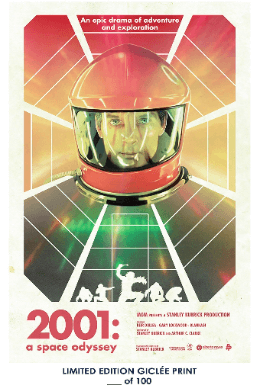
2001: A Space Odyssey (1968)
Stanley Kubrick's iconic movie that changed the way we think about science fiction cinema. For its time, “2001: A Space Odyssey” offered revolutionary special effects and a stunningly accurate depiction of space technology and space physics.
The distinctiveness of this film is in its philosophical depth: the evolution of humanity, artificial intelligence, contact with extraterrestrial intelligence. Kubrick's collaboration with writer Arthur Clarke ensured the scientific authenticity of the plot, and leisurely tempo and minimalist sound design created a unique atmosphere.
If you need deep thoughts about humanity's place in the universe and the nature of intelligence, this is a good choice. Even after more than half a century, it remains a benchmark for thoughtful science fiction and is regularly included in lists of greatest films of all time.
Star Wars: A New Hope (1977)
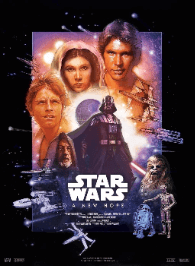
George Lucas movie that turned space fiction into the mainstream. This film and I were “born” the same year, 1977. Perhaps that is why it had the strongest emotional impact on me as a child. It was with it that my dreams of the future were connected, and it was on the basis of these fantasies that at the age of fourteen I decided to become a cosmonaut.
“A New Hope” changed the approach to depicting space in cinema, presenting it not sterile and technological, but living, lived-in and a little shabby. This movie’s distinctiveness lies in the amazing combination of science fiction elements with motifs of classical fantasy and mythology.
Revolution in special effects, the creation of a new model for the film franchise, a boom in the production of related products. The influence of Star Wars on the movie industry cannot be overestimated. The story, which takes place “a long time ago in a galaxy far, far away,” continues to resonate with viewers of different generations, giving birth to one of the most recognizable universes in the history of cinema.
Alien (1979)
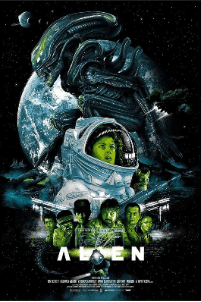
A landmark movie by Ridley Scott that combined the genres of science fiction and horror. The innovative design of the spaceship Nostromo and the alien created by the artist H.R. Giger became the hallmark of the film.
“Alien”'s dark, industrial aesthetic clashes with the utopian visions of the future that characterized science fiction at the time. The movie is also remembered for one of the strongest female characters in cinema history, Ellen Ripley, played by Sigourney Weaver.
Space setting intensifies the sense of isolation and helplessness, and the confined space of the ship creates a claustrophobic environment where every noise creates tension. “Alien” spawned a successful franchise and set the standard for many subsequent movies about encounters with hostile alien life forms.
Modern Space Movies
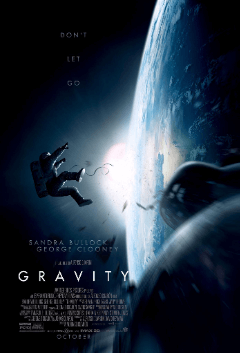
Gravity (2013)
Technologically innovative movie by Alfonso Cuarón that features highly realistic depictions of the orbital environment and weightlessness achieved through revolutionary filming techniques.
Like the main character, the movie is very vivid and emotionally captivating. But since the plot describes a completely plausible scenario of our time and modern technologies, it is perceived as very similar to reality. And there is a dissonance when you see Sandra Bullock's character flying from one orbit to another on a fire extinguisher... This cannot be attributed to either the future technologies, or even less to the technologies of today. Mixed feelings arise.
The minimalist plot, focused on surviving in outer space after a disaster, and the strong female character whose journey from fear to overcoming forms the emotional core of the movie thus making it memorable. “Gravity” had a significant influence on the visual aesthetics of subsequent space movies and revived interest in space thrillers.
Interstellar (2014)
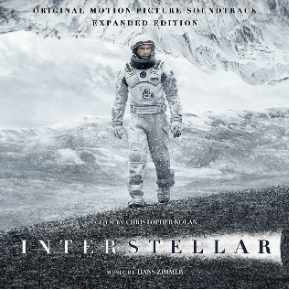
This is an epic science fiction movie by Christopher Nolan, distinguished by a high level of scientific credibility. It is close to me, since my friend, Doctor of Physical and Mathematical Sciences, Professor of Moscow State University, JPL employee Vyacheslav Gennadyevich Turyshev, was involved as a consultant.
The movie impresses with its visual representation of complex physical concepts: black holes, wormholes, relativistic time effects. At the same time, technical aspects are balanced with the emotional component — space travel and scientific discoveries are inextricably linked with human relationships and feelings.
“Interstellar” has revived interest in science-based space fiction and sparked a lot of discussion about physics and the future of space exploration. It’s a rare case where scientific accuracy helps rather than hinders a compelling story.
The Martian (2015)
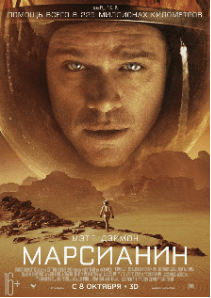
Ridley Scott's film, based on the novel of the same name by Andy Weir, takes a unique approach to the space theme. Instead of epic battles or encounters with aliens, the movie focuses on human survival in a hostile Martian environment using scientific knowledge and fortitude.
The movie illustrates very well how deep values and personal understanding of the purpose of the team's activities by individual leaders influence the quality of their interactions. And it also shows the principle of “swearing in good faith”: the priority of respectful communication and frankness, so necessary for teamwork.
The realistic depiction of the Martian environment and near-future technology makes “The Martian” feel like a movie about real events that haven't happened yet. I watch it often, it's a really cool movie. The optimistic tone and message about the power of human intelligence and cooperation resonate with viewers, despite the abundance of scientific and technical details.
Movies About Real Space Missions
Apollo 13 (1995)
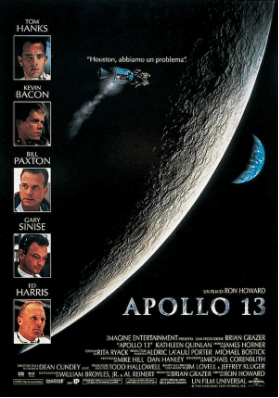
Ron Howard's historical film about a failed lunar mission that turned into a fight for survival. It is the best space movie based on real events, in my opinion. I watched it in the barracks of the flight school, and I watch it with the same great enthusiasm today, after three space flights.
High historical accuracy and attention to technical details of space flight are combined with a gripping storyline. The film shows not only the heroism of the crew, but also the brilliant work of NASA engineers who solved unprecedented problems in real time.
This movie helps you see important psychological elements of teamwork and their causes. This story of a mission that failed to achieve its original goal but became one of the greatest achievements of the US space program due to professionalism and teamwork remains inspiring and instructive.
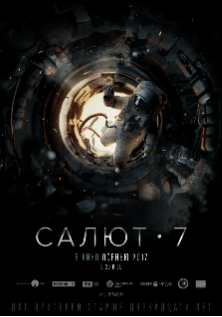
Salyut-7 (2017)
Russian movie based on the rescue operation of the Soviet space station in 1985. The film reflects the features of Soviet space program and difficulties of the flight, has an important patriotic component and plays a role in preserving the memory of the achievements of Russian cosmonautics.
However, it should be noted that this movie often mixes reality with fiction. Why show such obviously implausible details as the Americans trying to take our station with a Shuttle or repairing a solar sensor with a sledgehammer? This leaves an unpleasant aftertaste. Viktor Petrovich Savinykh, a real participant in this flight, was openly perplexed about this in an interview, and I can understand him.
If you want to see the image of Soviet space heroes, then “Salyut-7” will suit you, but artistic exaggerations should be treated critically.
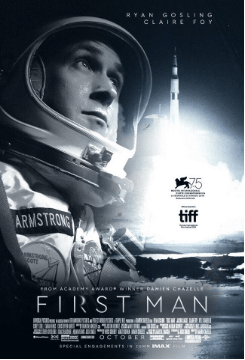
First Man (2018)
A biopic about Neil Armstrong and the lead-up to the first lunar mission. Damien Chazelle takes an intimate, psychological approach to depicting this heroic event, paying attention to technical details and realistically recreating the flights of early spacecraft.
I really liked the scene where, during the interview for the selection for the astronaut corps, answering the question “Why do you think space flight is important?”, Neil answered: “I had a few opportunities in the X-15 to observe the atmosphere. It was so thin, such a small part of the Earth, that you could barely see it at all. And when you’re down here in the crowd and you look up, it looks pretty big and you don’t think about it too much. But when you get a different vantage point, it changes your perspective. I don’t know what space exploration will uncover, but I don’t think it’ll be an exploration just for the sake of exploration. I think it’ll be more the fact that it allows us to see things that maybe we should have seen a long time ago, but just haven’t been able to until now.” I absolutely agree with both the first and second statements!
This movie shows the personal cost of achievement and the impact of the space program on the astronauts' families, giving the historical events a human dimension.
Sci-Fi Movies About Space
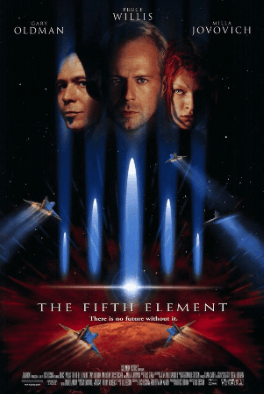
The Fifth Element (1997)
A visually striking film by Luc Besson that combines science fiction with comedy. The unique visual style created by Jean-Paul Gaultier and comic book artist Moebius immediately sets the film apart from other sci-fi movies.
An eclectic approach to depicting the future, mixing elements from different cultures and eras, create a memorable universe. Under the bright and dynamic shell there is a philosophical basis about the meaning of love as a unifying force of the Universe.
If you only want to relax and smile, then “The Fifth Element” is a great choice. It is a unique fairy tale about space, which does not pretend to be scientifically accurate, but captivates with its energy and visual ingenuity.
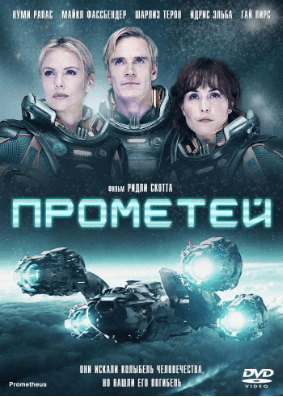
Prometheus (2012)
A prequel to “Alien” with ambitious philosophical undertones. Ridley Scott explores the origins of humanity and the encounter with its creators, which is especially appealing to fans of deep sci-fi concepts.
What I particularly like about this movie is its visual aesthetic, combining biological and mechanical elements. That's what won me over. The religious and mythological references, including the titular character from Greek mythology, add an extra layer of interpretation.
Among the sci-fi films presented, “Prometheus” stands out for its atmosphere, visual style and the depth of the questions it poses, which makes it the best in its category, in my opinion.
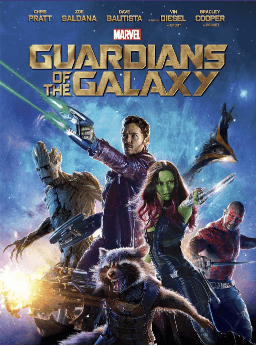
Guardians of the Galaxy (2014)
A reimagining of space opera in the context of Marvel superhero cinema. James Gunn's comedic approach to space adventures, memorable alien characters and space locations make the movie a light and entertaining spectacle.
A special role is given to the music of the 70s and 80s, which is closely connected to the personality of the main character and creates an interesting contrast with the futuristic setting. The movie revived interest in space adventures among a young audience and influenced the tone of subsequent works of the genre.
Like “The Fifth Element”, “Guardians of the Galaxy” is a great choice when you want to take a break and enjoy a bright, dynamic and slightly frivolous story about adventures in space.
How to Choose a Space Movie to Watch
Based on personal experience and numerous viewings, I can offer brief recommendations.
- For those who value historical accuracy and inspiring stories of overcoming difficulties, the best choice is “Apollo 13”. Everything is shown as if it were real and is very uplifting.
- If you are interested in realistic scenarios of the near future, pay attention to “The Martian” — a movie about events that have not yet happened, but may well happen.
- The best science fiction of the presented is “Prometheus”, which captivates with its visual aesthetics and philosophical depth.
- When you just want to relax and smile, “The Fifth Element” or “Guardians of the Galaxy”, unique fairy tales on the theme of space.
- For lovers of deep thoughts and philosophical concepts — “2001: A Space Odyssey”.
- And if you want to see the image of Soviet space heroes, try “Salyut-7”.
The main thing is not to be afraid to dream about space and make your dreams come true. As my personal path from a boy impressed by Star Wars to a professional astronaut shows, even the most fantastic movies can become the first step to real stars.
Pilot-Cosmonaut, Hero of Russia
Alexander Misurkin
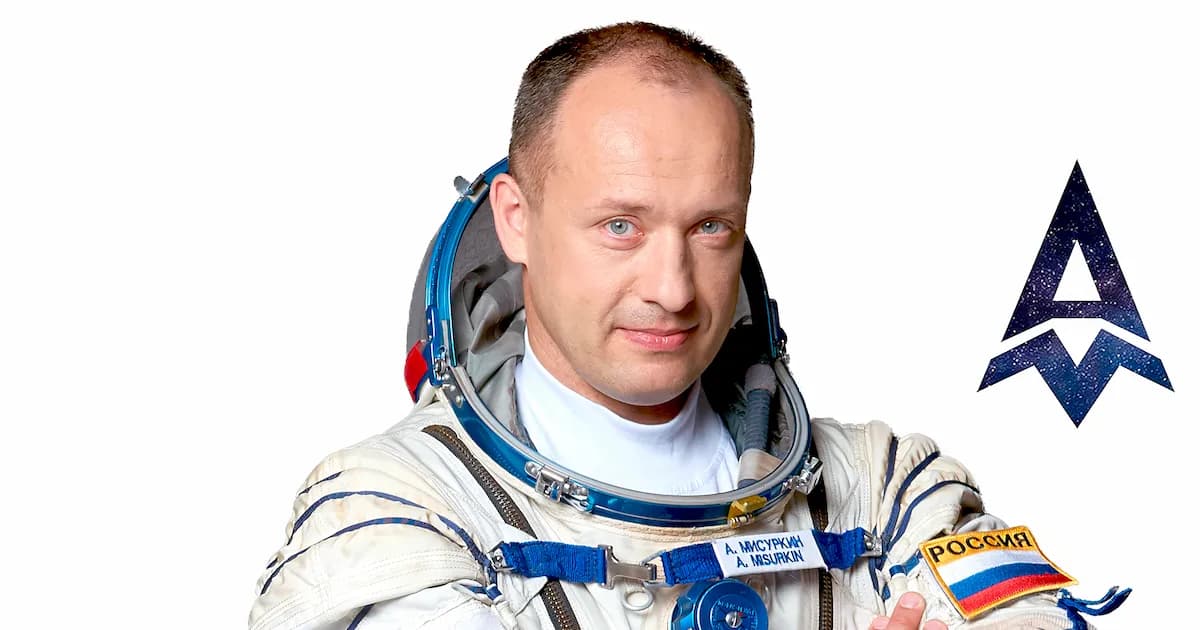
Hello! I'm cosmonaut Alexander Misurkin. My AI assistants Luke Vestin and "19-57" will answer your questions about space exploration and my experience.
To chat with Luke – simply type your question in the text field. If you're looking for space-related information from online sources, type "19-57, find information about ..." (it may take a moment – our robot is very thorough when searching the web).
Enjoy the conversation!