"I Think the Americans Have an Ammonia Leak." How the Commander Spotted the Leak Before Telemetry Did
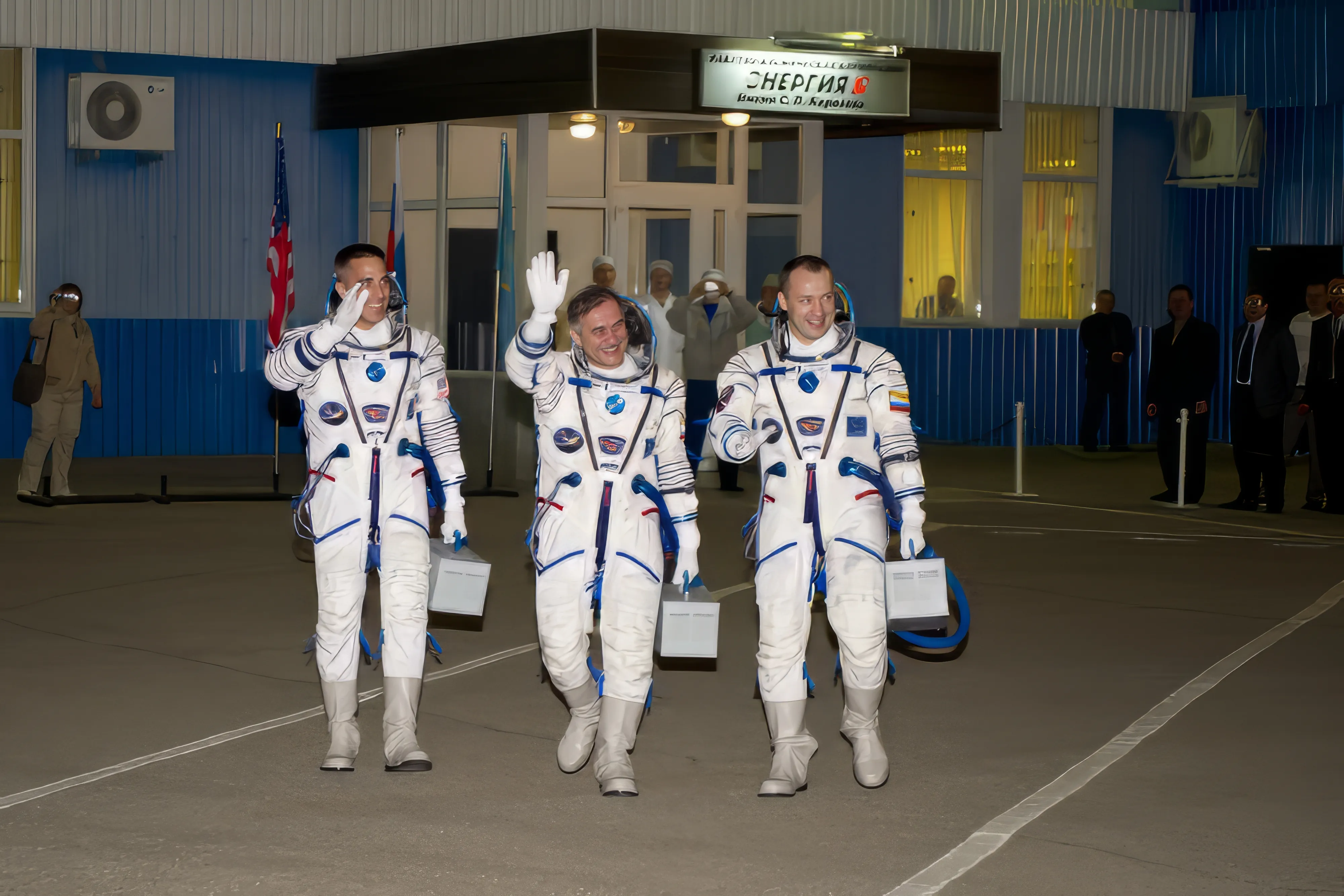
30.08.2026An ordinary working day aboard the ISS. Every hour of the day is scheduled, and everyone has their own job to do. Alexander Misurkin flies out of the Poisk module into the transfer compartment of Zvezda, glances toward the service module — and sees the commander's legs sticking out of his crew quarters.
Crew quarters aboard the station are personal space, and you don't just walk into someone else's without asking, unless the work requires it. "Pavel Vladimirovich, what's going on there?" The commander was pressed against the porthole and, without turning away from it, answered after a long pause: "I think the Americans have an ammonia leak."
I Didn't Believe Him
Ammonia is the coolant used in the external loop of the American segment's thermal control system. Just as a person needs oxygen, the station needs electrical power — lose that, and everything ends. But without thermal control, the station would die just as surely, only within a few hours. All the energy on board eventually turns into heat, which has to be redistributed, with the excess dumped overboard. On top of that, ammonia itself is extremely toxic, and in theory it could leak into the station's atmosphere.
Sensors, telemetry, algorithms, and Mission Control specialists all keep watch over the ammonia. Alexander told the commander exactly that: "Pavel Vladimirovich, if they had an ammonia leak, Houston Mission Control would already be in an uproar. What makes you even think that?" — "Well, look: one little snowflake is flying off the American radiator, then another."
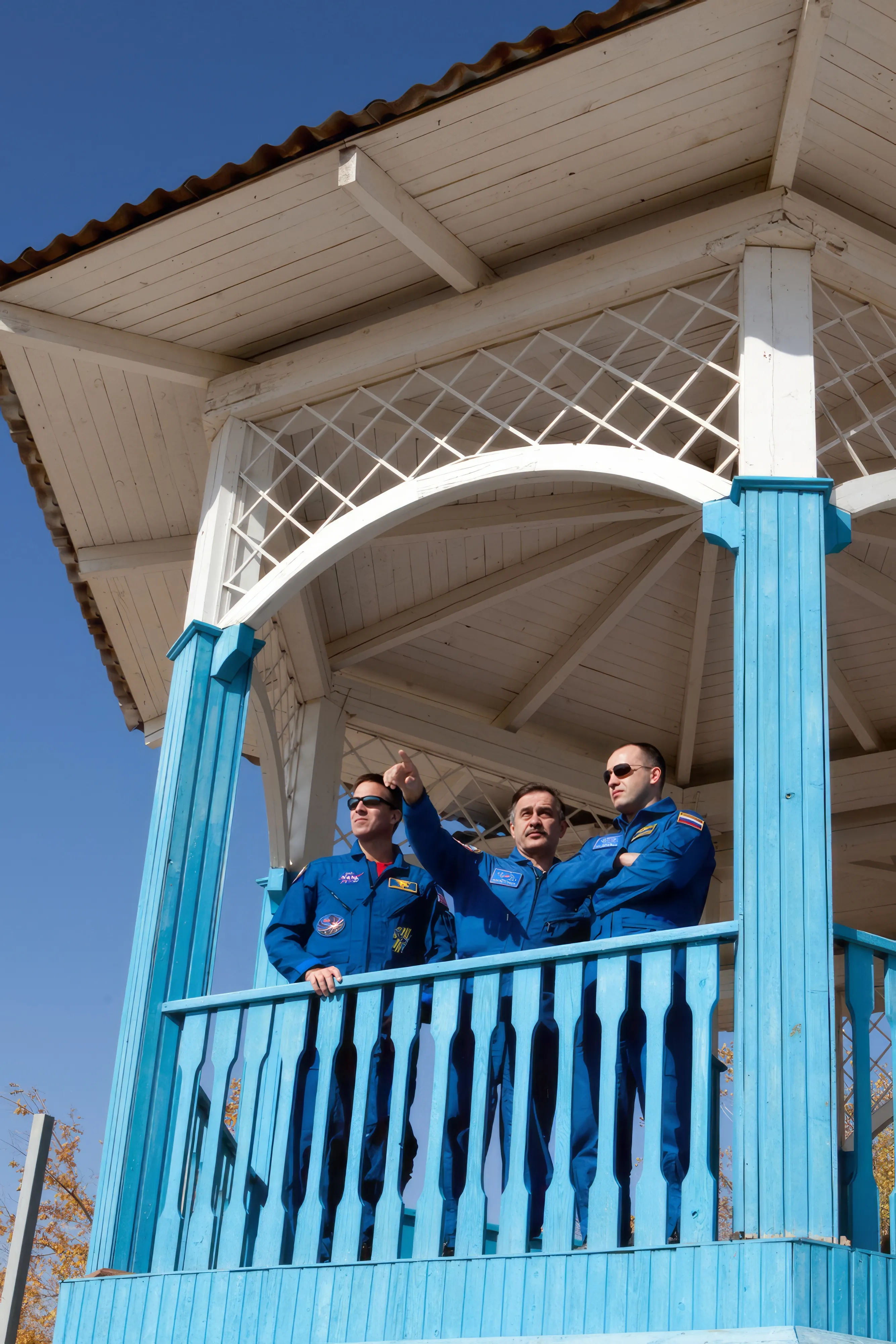
The snowflakes were tiny. It could easily have been a fleck of paint — there's no shortage of particles like that floating around the station. Even so, Vinogradov and Misurkin flew together to the American segment to see expedition commander Chris Hadfield: "Chris, it looks like you've got an ammonia leak." Chris was skeptical.
Confirmation came later that same day: Houston got in touch — the ammonia really was leaking. The American crew spent the entire next day preparing for an unscheduled spacewalk, and within twenty-four hours they were already outside, replacing the faulty unit. Preparing for a spacewalk normally takes about ten working days; here they had a single day for the whole thing. The leak itself was what forced the pace: the loop was visibly emptying, and the only way to locate the leak was while the ammonia was still escaping. The schedule added its own pressure too — one of the two spacewalkers, Thomas Marshburn, was due back on Earth just two days after the spacewalk.
Luck or Pattern Recognition?
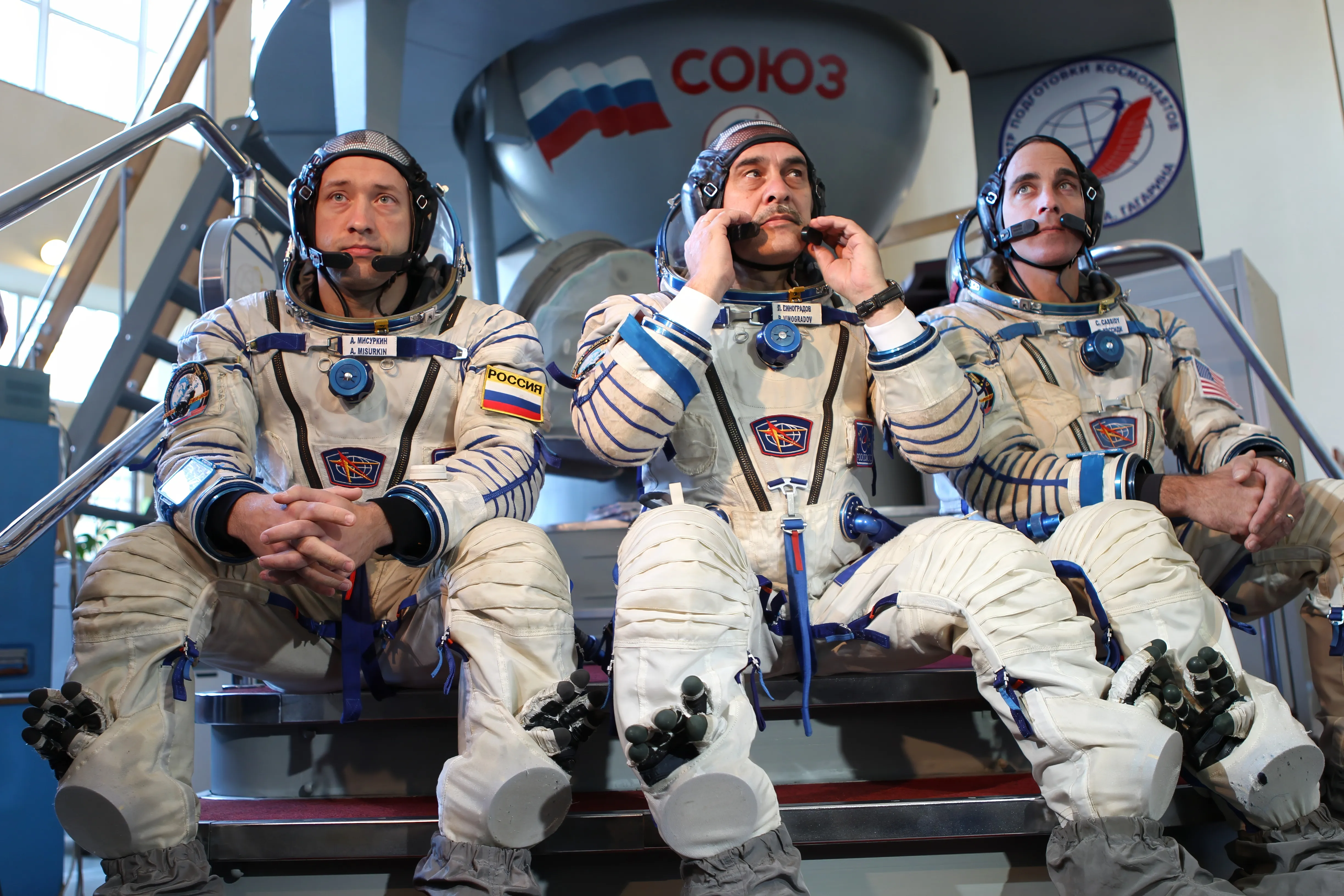
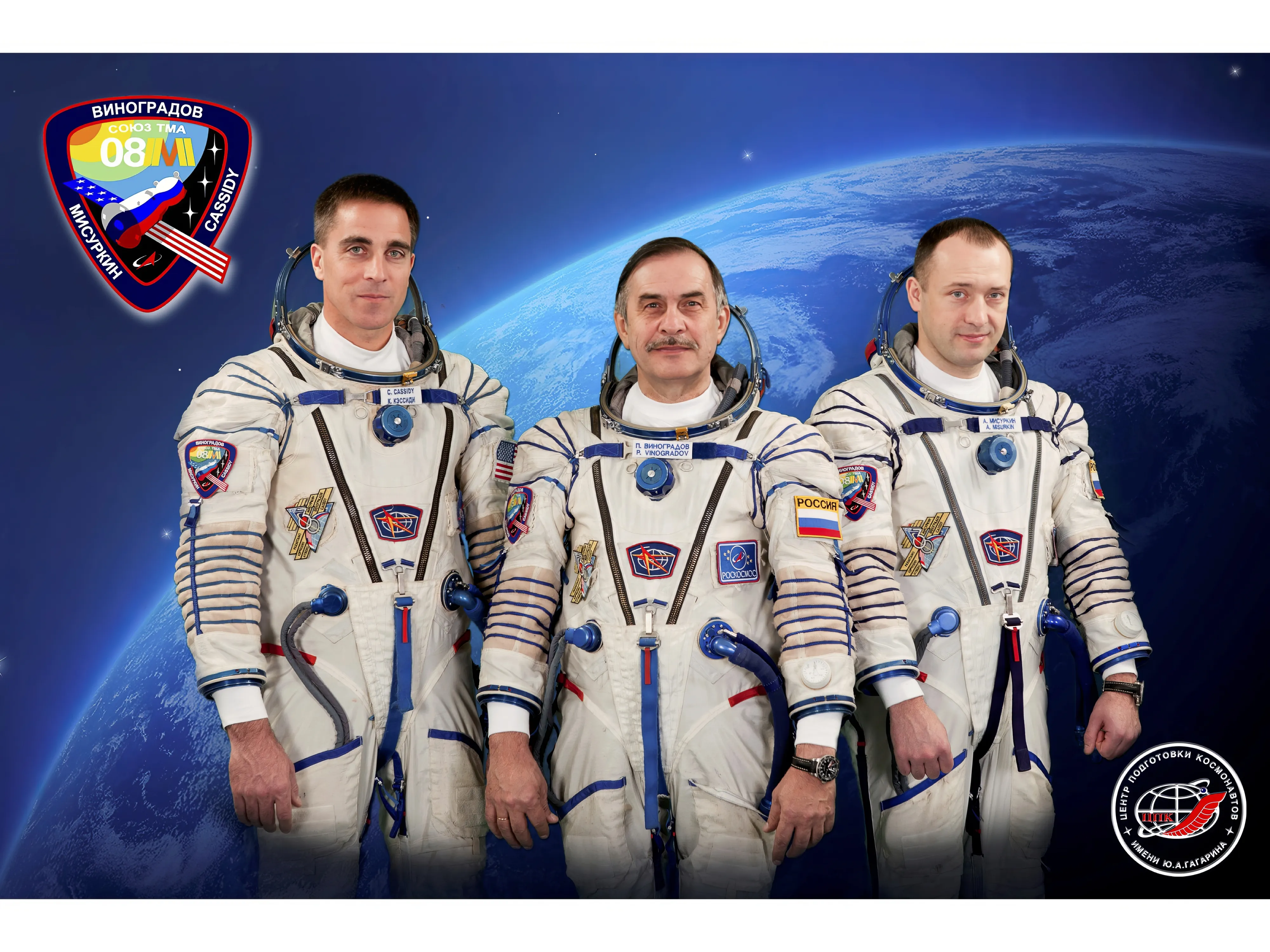
Misurkin and Vinogradov began training together in 2011: for Alexander it was his first flight, for Pavel Vladimirovich his third. Almost two years of training side by side. Back then, in 2013, Alexander didn't read much meaning into the story — just luck, really: the commander happened to look out the right window at the right moment.
When Alexander tells this story in his lectures, someone almost always asks the same question he himself asked back then: how did the commander even figure it out? Going through the episode again and again in front of audiences who have nothing to do with spaceflight, Alexander eventually noticed something he hadn't been able to see from inside the situation.
There is no cosmonaut exercise called "look out the window and identify a contingency." No one teaches it, it appears in no training program, and no diploma has a line for it. Yet there's far more work involved than simply noticing a sparkle beyond the glass.
The station always sits inside its own gas-and-dust environment, and the first thought that's supposed to come to mind on seeing a particle beyond the glass is ordinary dust. So you have to make out the individual micro-particles, identify them, recognize that they're moving as a stream — a very sparse one, not a jet: one flake, then another a few meters on — rather than just hanging in place, and trace where that stream originates. And there's only one way to do that: knowing your station so deeply that you see a process instead of a picture.
Today there's a precise word for that: pattern recognition — the trained eye that comes only from sheer exposure. Alexander only fully understood the mechanics of it once he started looking into how neural network models are trained. A model doesn't derive its answer from rules — it decides by similarity, and the quality of its decisions depends on the data it was trained on and how broad that data is. It works exactly the same way with a person. Intuition isn't a gift from nature; it's compressed experience.
Why Everyone Now Has to Make Decisions Without Complete Data
At this point you might think: well, that's in space — on Earth ammonia doesn't leak and nobody has to act as a ship's commander. That's when Alexander brings out a particular scale.
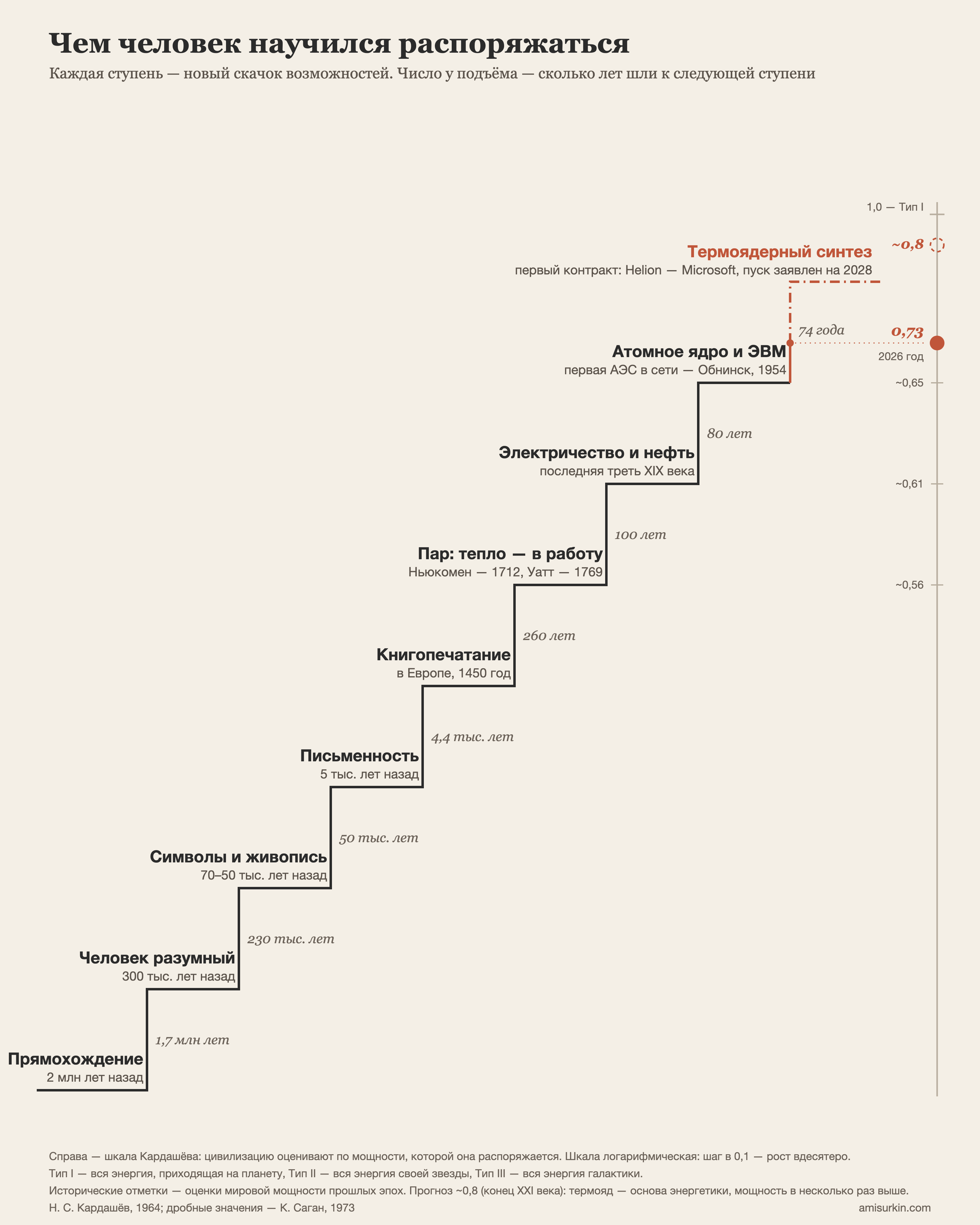
Homo erectus walked the Earth for about two million years before Homo sapiens appeared. More than two hundred thousand years passed after that before humans left behind the first symbols and drawings — a scratched pattern, shell beads, paintings on cave walls, somewhere between seventy and fifty thousand years ago. Another forty-five thousand years before writing began. Another four and a half thousand before books started being printed.
From there, the count no longer runs in thousands: it's generally accepted that over the last three centuries humanity has gone through three industrial revolutions and is entering a fourth — driven by artificial intelligence — right now. Alexander, for his part, is used to measuring this ladder by the kind of energy people have learned to harness.
The late 18th century brought the mechanical energy of steam. At the turn of the 19th and 20th centuries, humanity mastered two new kinds of energy almost simultaneously — electricity and hydrocarbons. The mid-20th century brought the atom: the world's first nuclear power plant delivered current in Obninsk in 1954, and the digital age fell on that exact same stretch of time — the computer and the nuclear reactor entered human life almost together. And in 2023, the world's first contract for the supply of fusion-generated electricity was signed: the company Helion committed to supplying it to Microsoft starting in 2028, and construction of the plant site in Washington State began in the summer of 2025.
This way of looking at things wasn't Alexander's own invention. In 1964, Soviet astrophysicist Nikolai Kardashev proposed measuring a civilization's development not by its inventions but by the energy it commands: a Type I civilization harnesses all the energy of its planet, a Type II all the energy of its star, a Type III all the energy of its galaxy. Later, American astronomer Carl Sagan extended the scale so intermediate positions could also be marked on it. Humanity today stands at roughly 0.7.
Between the first rungs of this ladder lie millions of years. Between the last ones, mere decades. We're living inside a stretch of time where change happens faster than a complete picture can ever come together. Which means that making decisions with incomplete information has stopped being the exclusive privilege of commanders.
Alexander Misurkin's answer to the question of how to make decisions when information is lacking is short: no one is going to hand you more data — the only thing you can add is your own trained eye. In the moment of choice, logic only runs as deep as your genuine knowledge of your craft.
More in the lecture notes for "Nothing Will Go the Way You Planned: A Cosmonaut's Experience in the Age of AI"
What the Commander Taught Without Saying a Word
The most important thing Pavel Vladimirovich Vinogradov ever showed wasn't at the porthole. Back during training, whenever the crew was working through another emergency scenario and it came time for the actual drill, he would sometimes joke: "We'll risk the least valuable crew member." The least valuable one in that joke was, naturally, the young flight engineer — not the commander heading into his third flight.
Joke or not, his actual behavior was the exact opposite. Over two years of training and the entire flight, Alexander never once heard a debrief framed as "Sasha messed up here." Any criticism of the crew's work — during training or otherwise — Vinogradov absorbed himself: the commander answers for the crew.
And when it came time for Alexander's first spacewalk, the commander spent every day of training, every lunch and every dinner, sifting through his own memory piece by piece to pass on everything he knew. During the spacesuit fitting — a procedure where a mistake in sleeve length can leave a person "without arms" outside — he didn't step away once until he was certain everything was right. And he had his own tasks going on the whole time, and no one had cancelled those.
Right after landing, Vinogradov wrote a formal recommendation to have Alexander Misurkin awarded the title Hero of Russia. There's no protocol requiring anyone to do that. The commander had his own packed schedule of post-flight work — he set it aside and wrote the recommendation himself.
That flight wasn't perfectly smooth, but it was precisely there that Alexander learned his most important lesson — and he learned it without words. No one explained what a crew commander is supposed to be. It was shown — in training, in flight, and afterward. When there's a need, the leader is the first one to step in and help. Even for the least valuable member of the crew.
Happy Birthday, Commander
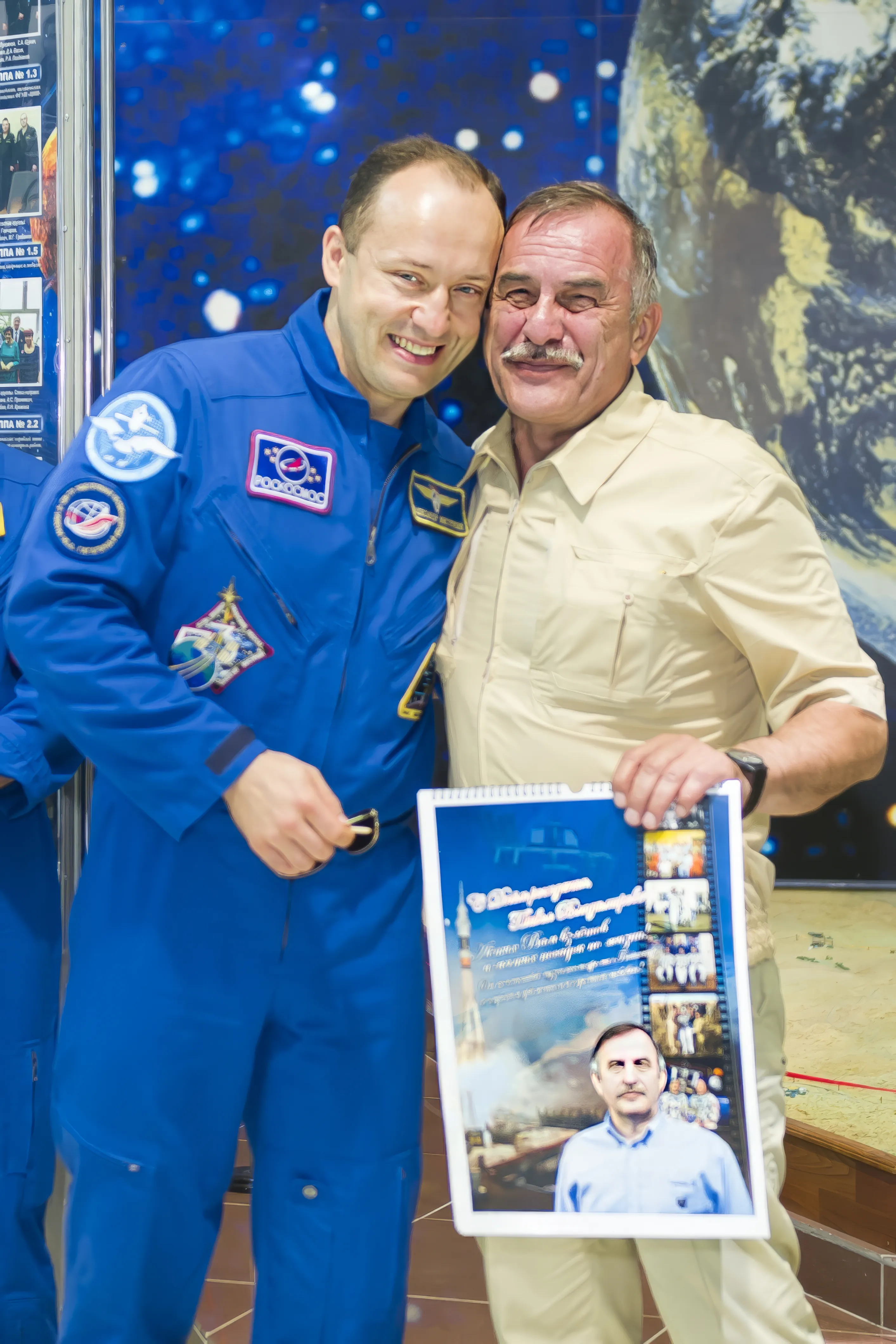
On August 31, 2026, Pavel Vladimirovich Vinogradov turns 73. Three spaceflights, 546 days in space, seven spacewalks totaling roughly 38 hours.
Vinogradov's seventh spacewalk took place during that very joint mission with Misurkin. Pavel Vladimirovich was 59 years and almost eleven months old at the time — still the record age for a spacewalk among Russian cosmonauts.
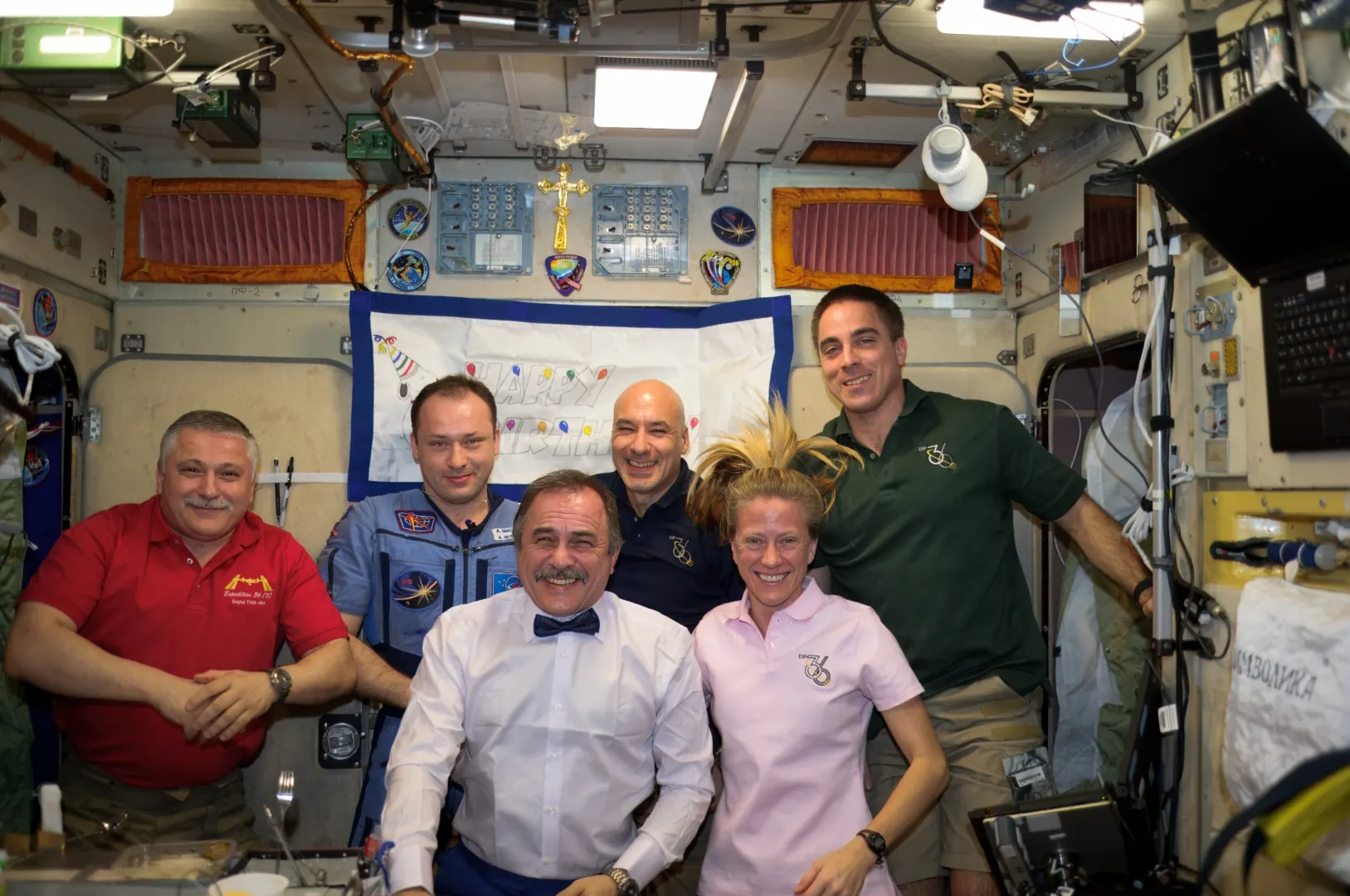
The crew celebrated Pavel Vladimirovich's sixtieth birthday together — aboard the ISS, on August 31, 2013. Thirteen years have passed, and he still works at RSC Energia, in the same field he has devoted his entire life to.
Pavel Vladimirovich has a saying of his own: about people who seem to be doing something in the industry but doing the wrong thing in the wrong way, he says they're "pushing cosmonautics sideways." Alexander's wish for his commander: health and strength to keep pushing cosmonautics not sideways, but upward — and gratitude for everything he taught him, both about how to fly in space and about what it means to be the commander of your crew.
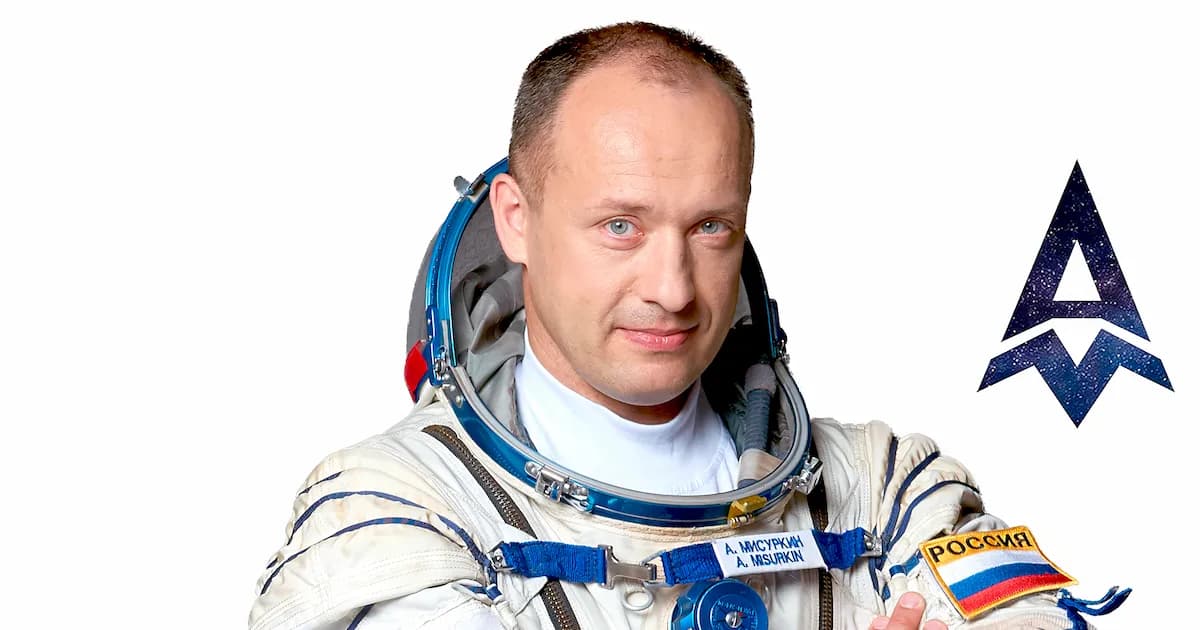
Hello! I'm cosmonaut Alexander Misurkin. My AI assistants Luke Vestin and "19-57" will answer your questions about space exploration and my experience.
To chat with Luke – simply type your question in the text field. If you're looking for space-related information from online sources, type "19-57, find information about ..." (it may take a moment – our robot is very thorough when searching the web).
Enjoy the conversation!